HARIS PILTON – SALEM’S SECRET DUB

ON THE RADICAL SPIRIT OF CHRISTMAS

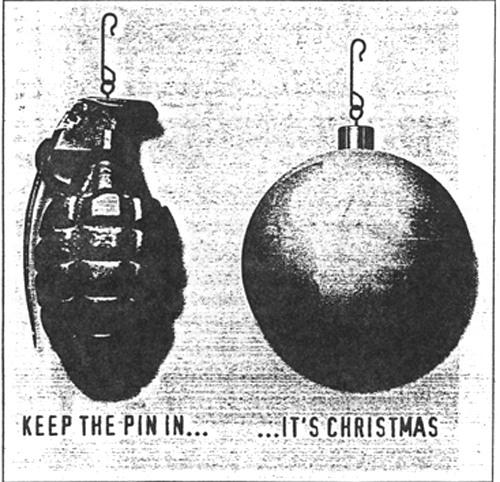
The Situationists were a loose movement founded in the late 1950s by a group of Western European artists, theorists and political radicals. The group rejected orthodox leftwing politics and political activities in favour of direct intervention into the symbolic order of advanced capitalism and rejected concepts such as individual authorship and copyright. One of their best known tactics was that of the détournement, which involved turning the logic of capitalism against itself in manners that illustrated its inadequacies. This approach manifested itself in various ways, such as re-utilising and/or altering public images by graffiti or staging disruptive performances in public spaces without announcement or explanation.

In the case of Britain, one of the best know examples of the latter approach took place at Harrods, London’s celebrated upmarket department store, in December 1967. A group of radical students dressed up in Father Christmas outfits and went into the toy department and started giving toys away to children as presents (thereby embodying the rhetorical ‘spirit of Christmas’). Their action prompted security staff to intervene, scuffling with the Santas as they attempted to stop and detain them, causing stress and consternation amongst the parents and children present.

Found in CHART MYTHOS The JAMs’ and The KLF’s Invocation of Mu

by  Jon Fitzgerald and Philip Hayward (Shima , 2016).

Image source: NOT BORED

DUBUMENTARIES SELECTION VOL 1.

DUB STORIES (2006)

DUB ECHOES (2009)

MUSICALLY MAD (2010)

STEPPAS SELECT VOL X – VIOLINBOY

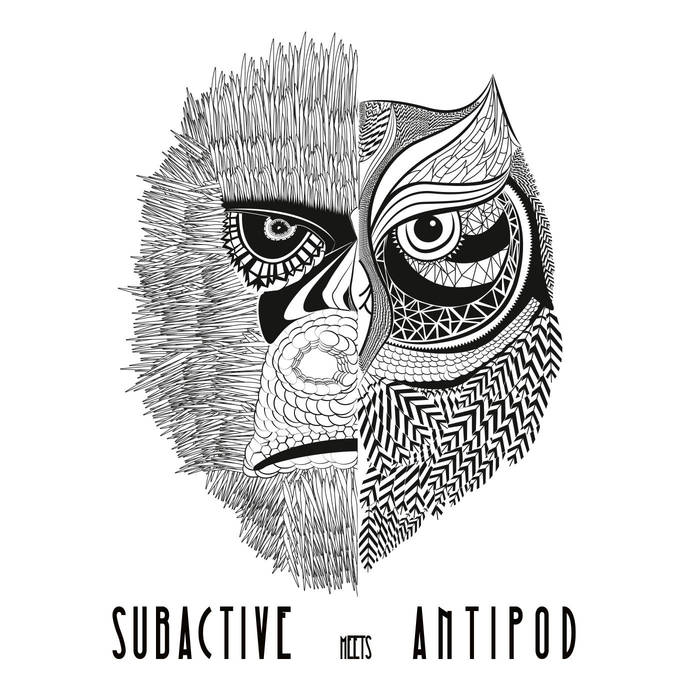
SUBACTIVE MAISE SIN – SUBACTIVE MEETS ANTIPOD

CONGO NATTY FT. NANCI & PHOEBE – ROAD TO ZION -DJ MADD STEPPA MIX

FEEDBACK LOOP TEST #1

#JAHBILLAH

ON GLOBAL APPEAL AND SPREAD

It is my belief that the global appeal and spread of the Jamaican Rastafarian movement can be linked to a number of elements or factors.

The first is the pre-eminent position the Bible holds in Rastafarian ritual and ideology. Second, the stress Rastas place on healthy, natural living and their sub sequent rejection of Western artificiality in the realms of food, medicine, social relationships, etc.

Third, Rastas’ outspoken condemnation of the hypocrisy, corruption, injustice, and white biases inherent in colonial and neocolonial societies and institutions.

Fourth, Rastas’ exhortation to the colonized and subjugated peoples of the world to take pride in their ancestral heritage and culture and to look to their own indigenous traditions for guidance and support.

Fifth, the amorphous and decentralized nature of the movement, which gives adherents everywhere the freedom and flexibility to select and interpret specific aspects of Rastafarian religion and culture in a way that is best suited to their own needs and situations. And finally, but perhaps most importantly, the powerful links that exist between the movement and various aspects of contemporary transnational popular culture – namely music, drugs, and fashion.

Found in Conclusion, from:  TRANSNATIONAL POPULAR CULTURE AND THE GLOBAL SPREAD OF THE JAMAICAN RASTAFARIAN MOVEMENT, by  Neil J. Savishinsky.

Source: NWIG: New West Indian Guide / Nieuwe West-Indische Gids, Vol. 68, No. 3/4 (1994)

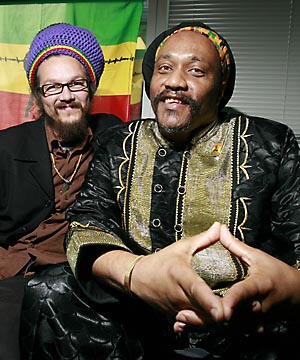
Image credit: ROBERT KITCHIN/The Dominion Post

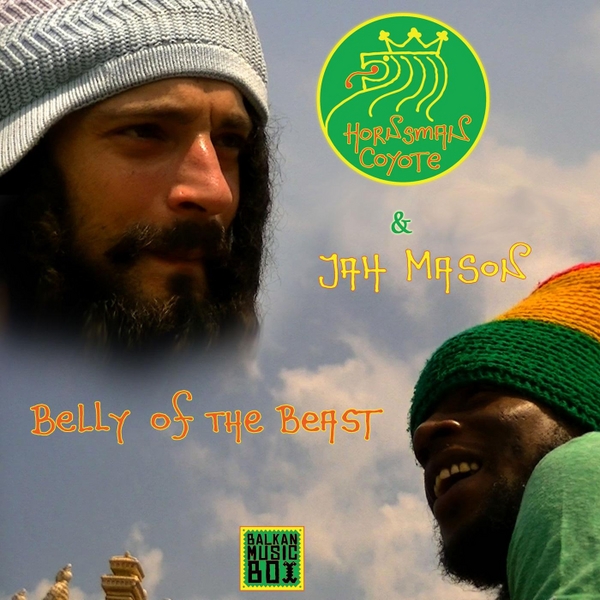
HORNSMAN COYOTE & JAH MASON – BELLY OF THE BEAST – RAHMANEE RMX

ANJA G. MEETS DR. OBI – THE MEANING + DUB THE MEANING

Out to Dr. Obi & Anja G. & the whole crew coming in with lovely & heavy digital ting and dub.

ON REGGAE RASTA


Reggae, the music synonymous with Rastafari and its icon. Bob Marley, was created from the blending of African, neo-African, and African-American musical styles. The Rastafaris were chiefly responsible for introducing the African and neo-African elements into reggae music. Linking reggae and the culture of Rastafari to Africa, Mervyn Alleyne argues that reggae, because of its strong connections to Rastafari and its socially and politically conscious lyrics, is representative of the “traditional African fusion of the secular and religious and the symbiotic interaction of religion (including music and dance) and politics.” Janet DeCosmo also contends that reggae can be seen as a modern continuation of social commentary that is expressed in the oral traditions of African culture.

These African elements tend to underscore the fact that some of the Caribbean musical styles have strong links to an African musical past. As Neil Savishinsky  put it, “reggae, along with other forms of African-American and Caribbean music, may in fact, represent a kind of ‘re-Africanisation’ process….”

More importantly, however, is the fact that reggae music, in addition to being a powerful medium of communicating the message and spirit of Rastafari, has also provided Rastafaris with a distinct identity. It [reggae] is now regarded as “one of the most essential elements of religious expression and shared group identity”.

Found in  Reafricanizing the Caribbean: Black Power and Rastafari Styles.

From:  Resistance, Essentialism, and Empowerment in Black Nationalist Discourse in the African Diaspora: A Comparison of the Back to Africa, Black Power, and Rastafari Movements.

By:  Simboonath Singh in  Journal of African American Studies, Winter 2004, Vol. 8, No. 3, pp. 18-36.

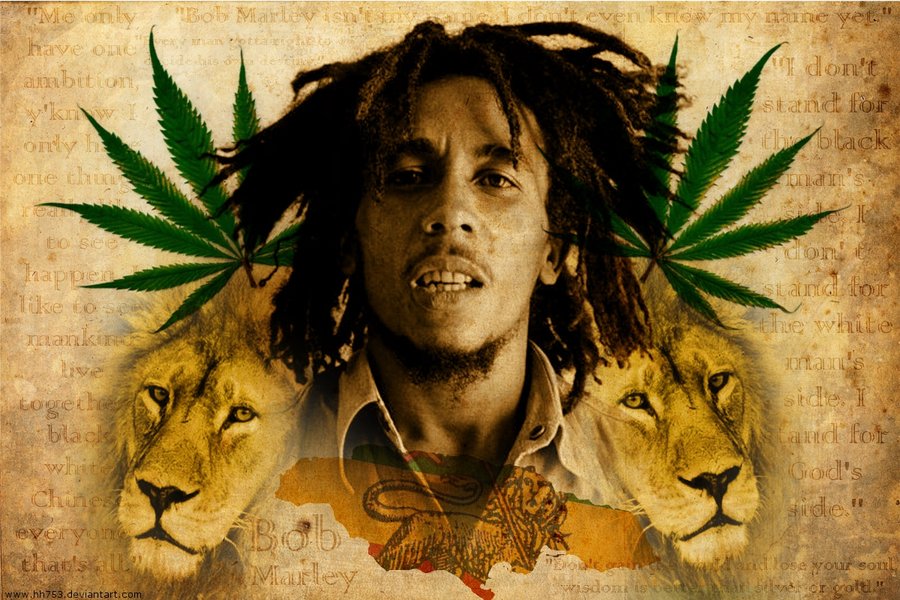
Bob Marley Wallpapeer by HH735

DREAM VORTEX STUDIO – VST

These VST’s by Martin Best have been around for some time, decided to check them all out again and so should you.

dual_leveler_sm

dvs20microtrance