
Industrious Haris Pilton bring another project adventure. Crossover from reggae roots dub and Balkan and Gypsy music exploring mutual riddim driven melodies. This time with host of guest features like La Cherga, Gypsy Soundsystem and many more.
NAH MISS!
Category: Dub Culture Department
Music, technology, science and wisdom of DuB culture.
On Colonization of Rastafari and Reggae
From Prophecy to Pastime: Reggae as Escapism
Once a ceremonial weapon of Word, Sound, and Power, reggae is too often reduced to mood music. The prophet becomes performer; prophecy becomes therapy. Frantz Fanon foresaw this: revolutionary culture repackaged as folklore for tourism and global markets. In “The Wretched of the Earth” he warned that national culture cannot be preserved as mere folklore, the traditions, costumes and clichés of an imagined past, but must emerge dynamically from present struggles for liberation, lest it be emptied of revolutionary substance. The rhythm is alive, but the message barely remains, a faint remnant of its true power.
Reggae soothes instead of disturbs. It plays in cafés, yoga studios, and resorts as background leisure. The sacrament of ganja becomes a lifestyle brand; the Rasta image is sold as relaxation instead of resistance.
This blunts the revolutionary edge. Reggae, once weapon of the poor, is wielded as pacifier.
Ceremony becomes stage show, testimony becomes branding, judgment becomes “good vibes.”
Yet beneath the gloss, the roots remain. Reggae can still be reclaimed as weapon of awakening, a sound to unsettle Babylon rather than soothe it.
From:
The Colonization of Rastafari and Reggae: From Rebel Music to Commodification by Fikir Amlak
Haris Pilton – Evil Zombie Robot from Outer Space / Wicked Ninjas from Hollow Earth / The Cursed Stripper Mermaids of Dread Lagoon / Speed of Light
One and only mighty Haris Pilton never failing delivery of sabbatical dubbical excursion non stop, issuing 4 different flavored full albums of roots rock reggae inna dubwise motion inna last 3 months!
Suplicating legendary gold era of dub Haris saves the Earth from Robo-Dub in Evil Zombie Robot from Outer Space where heavy effects chase the zombies away:
Retrieving sacred dub scrolls in Wicked Ninjas from Hollow Earth with styles for miles:
Reinventing seaside vibes alongside enigmatic Chantelle Morgan in The Cursed Stripper Mermaids of Dread Lagoon where horns and seagulls lead the way:
Heading straight from hyperspace nebula parallel universe dubs in Speed of Light:
Alongside these be sure different musical profiles like gypsy brass Balkan Voodoo Orchestra and post apocalyptic electro punk Kali Fat Dub!
NAH MISS!
Dub Caravan – Ska Al Shami
Arabic ska original blend by Dub Caravan!
Straight off the press:
“Ska Al Shami” is an innovative musical fusion composed by Palestinian – British producer Felix Aburdene (aka Dub Caravan) that blends the upbeat rhythms and energetic foundation of Ska & Reggae with the rich melodic maqams of classical Arabic music specifically from the Levant region. This collaboration features the talents of three remarkable Syrian musicians, who bring their cultural heritage and musical expertise to this vibrant soundscape that celebrates the cultural diversity of both genres.
Yugoslavia Reggae VA. (1977-1991) Volume 2 – selected by Haris Pilton
Yugoslavia Reggae VA. (1977-1991) Volume 1 – selected by Haris Pilton
Rally round Volume 2 expedite delivery after people’s demand YU Reggae selected by one and only Haris Pilton!
Yugoslavia Reggae VA. (1977-1991) Volume 1 – selected by Haris Pilton
Original Haris Pilton selects crucial YU reggae cuts for Vol 1 inna mix!
Beva Dub – Twinkle Brothers – Wrong Train (Beva Dub Bootleg)
Tune in to sounds of Beva Dub up coming native dubb riddim maker with lovely Twinkle Brothers reworks. Ites!
Haris Pilton – Dubwise Creation
Come one come all rally around dubwise creations throne:
Brand new Haris Pilton in old school stylee!
PRESS:
Dubwise Creation is a exploration of old school dub, crafted by Haris Pilton. This album invites listeners into a rich soundscape that echoes the golden era of reggae, capturing the essence of classic dub techniques while infusing them with Pilton’s unique flair.
From the very first track, the deep, rolling basslines set a hypnotic foundation, creating an immersive atmosphere that pulls you in. Each song is a journey, characterized by lush reverb, intricate echo effects, and skillful layering of instruments that transport you to the heart of a vibrant sound system. The production showcases Pilton’s meticulous attention to detail, as he artfully weaves together elements of rhythm and melody to create a tapestry of sound that feels both nostalgic and fresh. Deep and echoing tradition of dub providing a modern twist that resonates with contemporary audiences. Listeners will find themselves lost in the fluid transitions between tracks, where each piece flows seamlessly into the next, evoking the feeling of a live dub session. The old school vibe is palpable, with influences from iconic producers and sound engineers woven throughout, yet Pilton brings his own signature sound to the forefront.
Whether you’re a lifelong fan of dub or just discovering its magic, Haris Pilton invites you to immerse yourself in this dub journey, where the echoes of the past meet the vibrant energy of the present. With Dubwise Creation, Haris Pilton firmly establishes a bridge between tradition and innovation that resonates deeply with audiences around the world. This album is a testament to the enduring power of dub music and its ability to inspire and uplift.
Haris Pilton – Dub Fi Ladies
Musical masterpiece journey with ethereal vocals and gold solid riddims inna dubwise fashion so COME ALONG!
Fearless & Far – Asking Tribal Elders Life’s Big Questions
Jah Billah says:
tek a listen.
In Jazz, Dub Is Everything Vol 1-5.
#Dub #Jazz
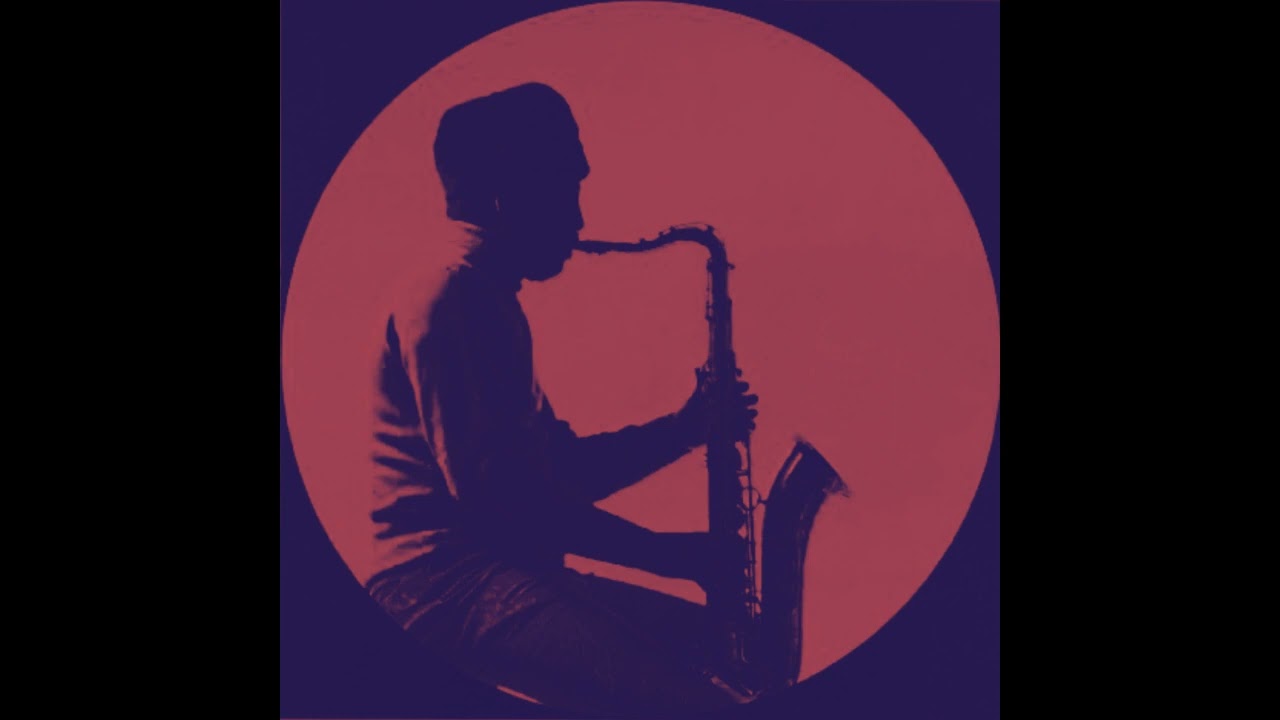
“In jazz, dub is everything” is mixtape series outta Novi Sad with yearly releases up on Mixcloud.
Full joy easy selection!
Haris Pilton meets Johnny Clarke & Hornsman Coyote – Dunza EP
#harispilton
Number one SloveniaJAH producer Haris Pilton coming in with Dunza EP featuring legendary Johny Clarke and Hornsman Coyote. Vocal and brass versions followed by 3 different dub cuts. NAH MISS!
“Dunza EP”
In a groundbreaking musical venture, Haris Pilton, the visionary artist and producer, is set to unveil his latest masterpiece, the ” Dunza EP.” This highly anticipated release sees the convergence of talents from various corners of the globe, creating a musical tapestry that transcends boundaries and genres. The EP, featuring the legendary Jamaican reggae singer Johnny Clarke and Serbia’s acclaimed trombone player Hornsman Coyote, is a testament to the universality of music and its power to connect diverse cultures.
Haris Pilton, known for his innovative approach to music production, has curated a collection of five tracks from the legendary Blood Dunza riddim. “Blood Dunza EP” is not just an EP album; it’s a sonic journey that invites listeners to immerse themselves in a world where tradition and modernity coalesce in perfect harmony.
The collaboration with Johnny Clarke, an icon in the Jamaican reggae scene, brings an authentic and timeless feel to the EP. Clarke’s soulful vocals and profound lyrics resonate throughout first song on EP, elevating the listening experience to new heights. His contribution adds a rich layer of authenticity to the project, making it a genuine celebration of reggae’s roots and golden era of reggae..
Hornsman Coyote, a maestro of the trombone hailing from Serbia, injects the EP with a distinct and vibrant energy. His skillful play weaves through the melodies, creating a bridge between the Caribbean rhythms and the soulful echoes of Eastern Europe. The result is a fusion that transcends borders, demonstrating the universal language of music.
As the mastermind behind the “Dunza EP,” Haris Pilton showcases not only his prowess as a producer but also his ability to bring together artists from different corners of the world. The EP is a testament to the power of collaboration and the magic that unfolds when diverse talents unite under a common creative vision.
With each track carefully crafted and produced by Haris Pilton, the “Dunza EP” promises a listening experience that is both captivating and thought-provoking. One vocal, one brass and three different dub versions from the roots-inspired beats to the contemporary twists, the EP encapsulates the essence of reggae while pushing the boundaries of the genre.
Prepare to embark on a musical odyssey as “Dunza EP” drops, inviting you to immerse yourself in the soulful & dubby sounds of reggae, enhanced by the collaborative brilliance of Haris Pilton, Johnny Clarke, and Hornsman Coyote. It’s more than an EP album; it’s a cultural convergence, a celebration of unity through music, and a testament to the enduring power of collaboration in the ever-evolving landscape of global soundscapes.
 OUT OF MANY COME DUB AND OUT OF DUB COME ONE