
Straight outta SloveniJAH here comes Haris Pilton with XXL serving of dubwise intention and fashion:
“Haris Pilton’s heavy-weight 11-song dub album called “DUB XXL Vol 1.” is a must-listen for all lovers of heavy-weight, experimental and old-school dub vibes. This time we don’t go fast – we go heavy, heavy by the standards of old school. Prepare yourself for a dubwise journey that blends classic dub elements with innovative twists, delivering a unique and captivating experience. Get ready to feel the bass and groove in a heavy-weight rub a dub style and travel from past to future!
While dub music has branched out into various styles, Heavy Weight Dub maintains strong connections to its reggae roots, often remixing reggae tracks to highlight the rhythm and bass. Old school heavy-weight dub is a classic subgenre of dub music and it is characterized by its intense and bass-heavy sound, innovative use of studio effects, and roots in reggae. This style of dub was pioneered by legendary producers and engineers who experimented with mixing techniques to create new, immersive soundscapes.
A hallmark of old-school heavy-weight dub is the emphasis on deep, powerful bass lines that drive the track and provide a hypnotic rhythm. Heavy, often syncopated drum patterns, with a strong focus on the kick and snare drums, are crucial. The rhythm is steady and propulsive, creating a trance-like feel. Extensive use of delay (echo) and reverb effects to create a sense of space and depth. These effects are often applied to drums, vocals, and instruments, resulting in a “spacey” and immersive sound. Old school heavy-weight dub remains a cornerstone of dub music, celebrated for its innovative production techniques and deep, immersive soundscapes. Its legacy continues to influence contemporary music production and sound design.”
Tag: bass
Sensational VS Abu Ama
#sensational
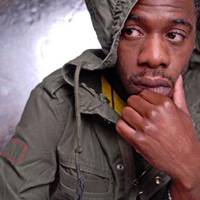
If you don’t know by now step correct and re-frame Sensational of Crooklyn fame: subterranean lyrics over over lo fi dub noise beats, same as it ever was.
Originally grazing with Wordsound label, post apocalyptic illbient stable, alongside Bill Laswell rocking blue light torch of avant-garde hip hop and bass music since 1999, here comes Sensational VS Abu Amu with 2 tracks that don’t disappoint.
On reggae and hip-hop
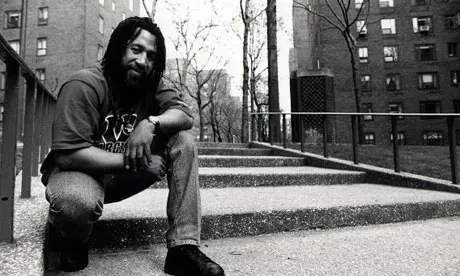
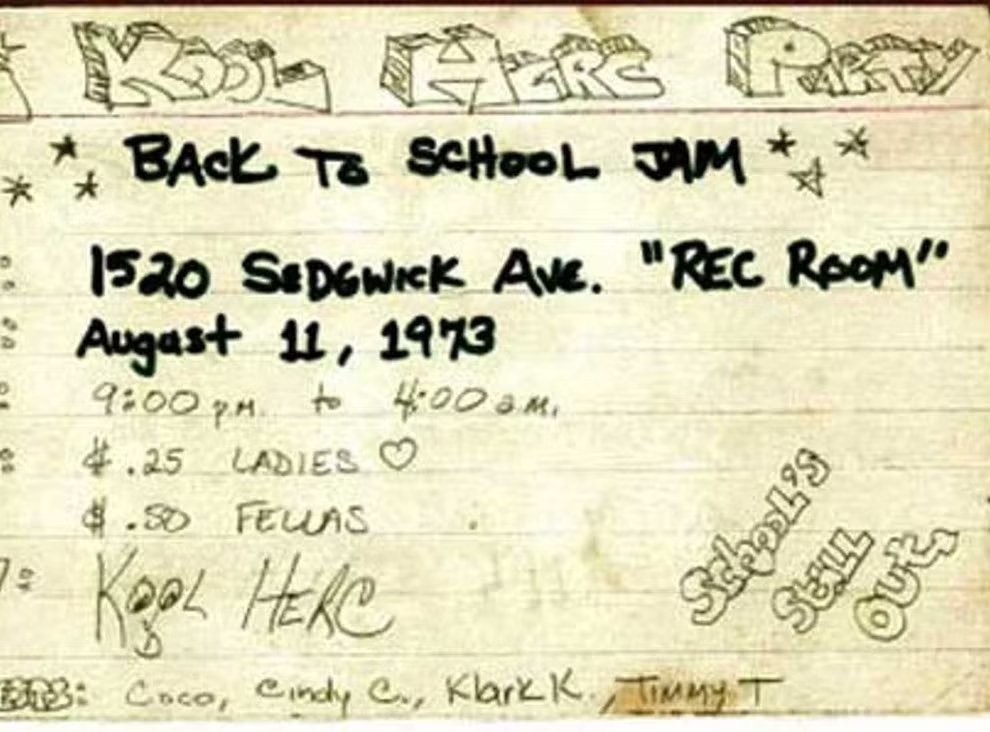
DJ Kool Herc, the chief architect of hip-hop, was born Clive Campbell in Kingston, Jamaica. At the age of twelve, in the winter of 1967, Campbell moved to Bronx, New York. The year he migrated to America, sound-system culture in Jamaica had a ubiquitous presence in Kingston’s lower-class neighbourhoods.
As a twelve-year-old preteen now living in the Bronx, Campbell already possessed a persistent reggae and sound-system consciousness having experienced the innovative music of
Prince Buster, the Skatalites, Don Drummond, and dancehall deejay U-Roy.
At eighteen, Campbell attempted to recreate the Jamaican dancehall experience in the Bronx by spinning the latest Jamaican reggae records at neighbourhood parties, but his young African-American audience was not feeling the reggae beat and did not comprehend the Jamaican patois rhymes of sound-system MCs known as toasters.
As DJ Kool Herc, Campbell shifted to playing funk records, but his reggae background caused him to favour funk with heavy-weight bass lines and lively percussive drumming. Kool Herc’s record selections were transmitted through hi-fi stereo equipment that spoke with the same awesome power and sonic quality of a roots Jamaican sound system.
The selector, as a deejay is called on a reggae sound system, though using one turntable-the norm during the ’60s and ’70s- was still capable of altering the arrangement of a tune spinning off a record on the turntable platter. The selector skillfully inflicted a completely different sound context on a roots reggae recording by manipulating the controls on the sound system’s amplifier to briefly remove the bass on a tune, accentuate the singing of the song’s vocalist, and highlight the harmony of trumpet, saxophone, and trombone. The selector would create tension in a live remix by bringing back the bass booming like a compact implosion.
By the ’70s, the selector had the ability to vary the sonic texture of the recording by creatively deploying reverb and echo chamber to repeat the sweetest elements of a vocal or horn solo and as a special sound effect that dramatized certain aspects of the recording with a live feel.
Kool Herc’s approach to creating something fresh from pre recorded funk on vinyl was different because he used two turntables. But his approach was similar in that he shared the same objective as the selector, which was to do a live remix of the record to heighten the entertainment of his audience. He extended the intoxicating rhythmic feel of percussive conga, bongo, or trap drums sizzling the break of records like Mandrill’s “Fencewalk,” the Incredible Bongo Band’s “Apache,” and the live version of James Brown’s “Give It Up, Turn It Loose” by playing the same record on two turntables using a sound mixer to seamlessly prolong the percussive breakbeats.
Herc pioneered the innovative use of two turntables and a sound mixer as active instruments that became more than passive facilitators, more than just pieces of electronic equipment that merely played what was recorded on vinyl.
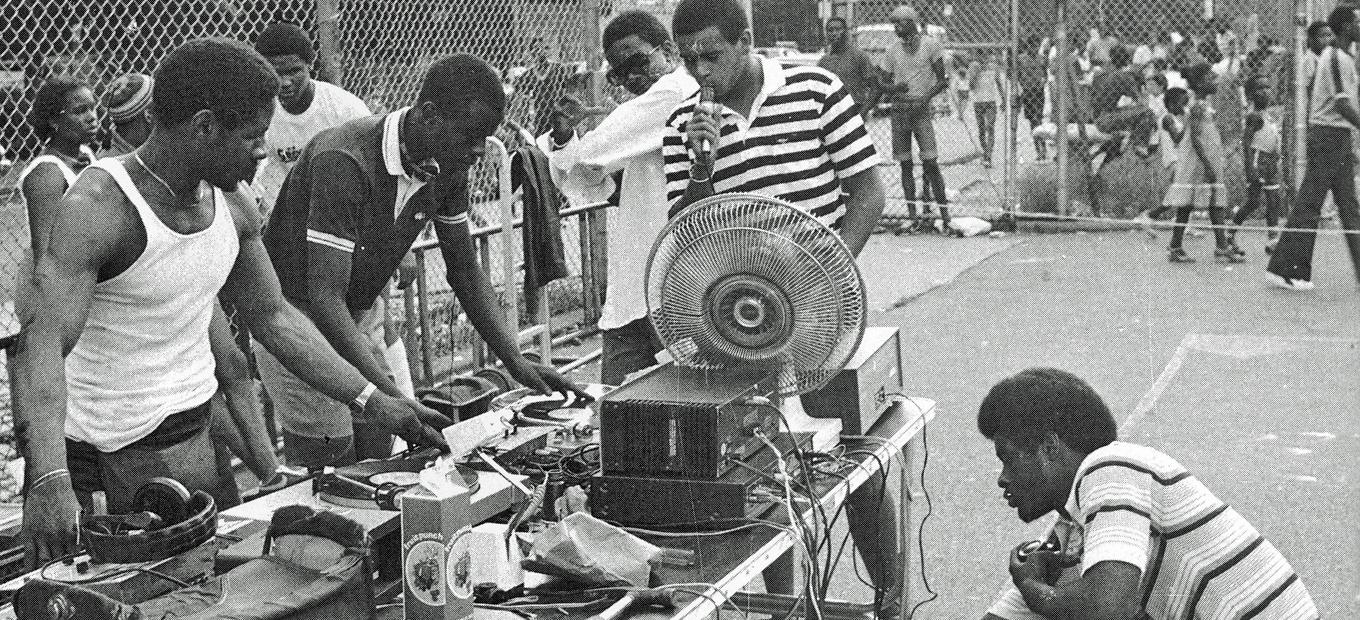
These electronic instruments were now used to rearrange prerecorded music to suit the immediate needs of the disco and the dance floor. When DJ Kool Herc rocked a block party, dispatching African American funk with the overwhelming sonic power of a reggae sound system, no other deejay dared to compete.
Text from:
Dubwise : reasoning from the reggae underground
Chapter: Raggamuffin Rap: The Interconnections of Reggae and Hip-Hop
Author:
Klive Walker, 2005.
Dub London – Bassline of a City
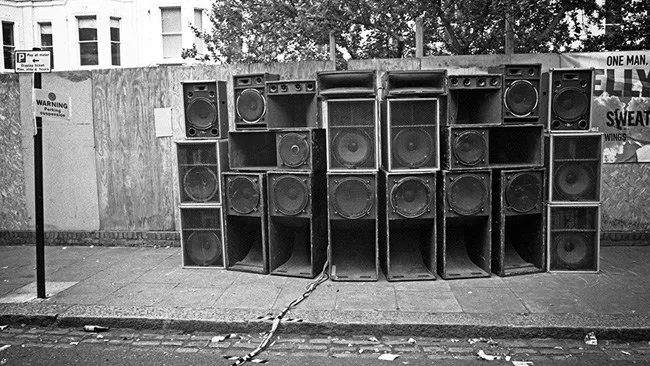
Great video about dub experience in London along with Museum of London exhibition (closed September 2021) featuring such items as original Channel One sound stacks.
Stranjah – Tips & Tricks
Stranjah channel coming in with nuff “how to” videos on drum and bass sound design.
Featuring both shorts and in depth step by step subject exploration, as well as guest producers shining trough, Stranjah is putting in hard works into making your workflow better.
Secret Archives of the Vatican – Barsoom
If you never ear about Secret Archives of the Vatican, best guess is that you never used “ethnic”, “esoteric” and “eclectic” in the same sentence.
The Sleeper Has Awakened!
NICE UP! Records – 12 Dubs Of Xmas Volume 2
“Tis the season to be jolly once again…”
MSDT 013 JAH BILLAH FT IYANO IYANTI – CHASE BABYLON – CABALLO REMIXES
MSDT 013 CHASE BABYLON (CABALLO REMIXES)
1.CHASE BABYLON (CABALLO ZOUK BASS REMIX) 02:21
2.CHASE BABYLON (CABALLO REMIX) 03:28
http://www.junodownload.com/products/jah-b…es/2650598-02/

Brand new Magu Shan Dub Tong release featuring tropical bass specialist and latino resiste founder Caballo.
Caballo remixes Chase Babylon in hardcore future dancehall versions: short but sweet zouk bass remix and a bit heavier 3014 style remix.
Caballo is a producer, MC, and an editor for Mad Decent and Tropical Bass.
DR. DAS ON POLITICS OF DUB BASS
Describe the politics you feel are inherent in dub bass.
It relates to the general attitude which states that bassists are just there to do a job and hold down the rhythm, whereas vocalists and guitarists are the ones responsible for serious expression. To me, the bass has always been just as emotive as any other instrument. Dub music proves that’s so because it represents an inversion of clichéd perspectives about bass. With dub, the bass line is the hook of the song and the guitar is often there backing it up. The bass line also offers a low frequency melody that carries the key emotional content. The challenge in being a dub bassist though is you’ve got to do all of that using as few notes as possible. However, your brief is the same as it is for any other instrument—ensuring how you feel about the world is reflected back into your playing.
From Dr. Das – The politics of dub bass
by Anil Prasad 2007.

 OUT OF MANY COME DUB AND OUT OF DUB COME ONE