Kings of Reggae Hip Hop DJ L’Enterloop sets alway coming in with flawless mix and fresh blends full of mashups, remixes, nuff of your favorite samples, dubplates and vibes. Chilling in with 1.8M views in little over 6 months ago, this is your soundtrack to cool.
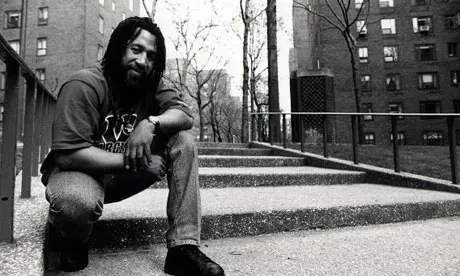
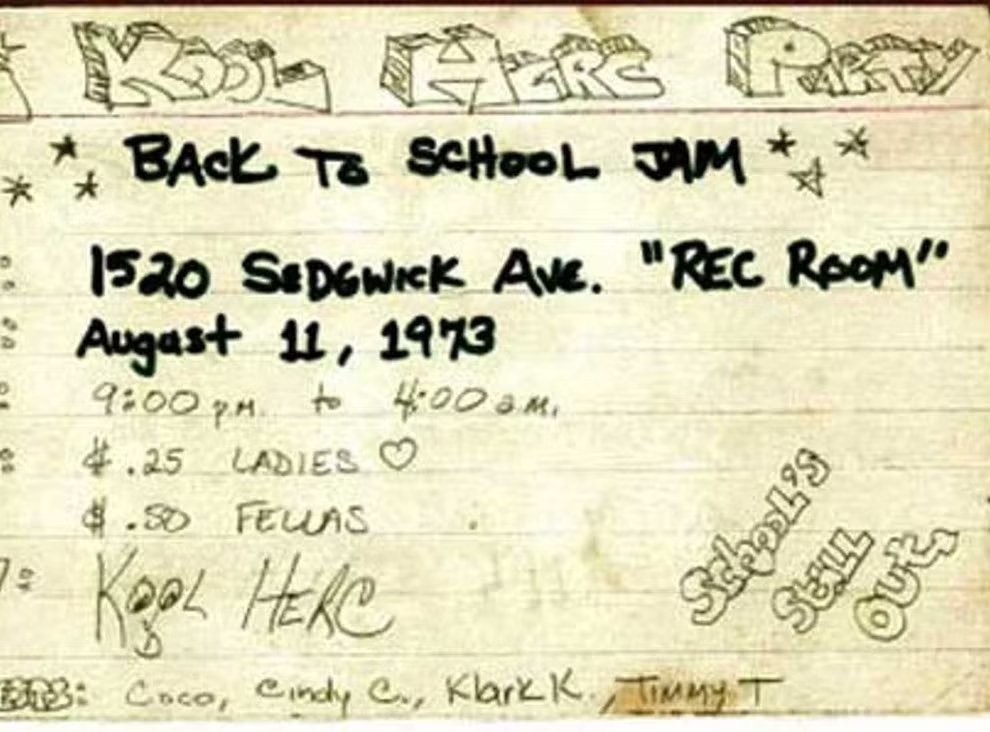
DJ Kool Herc, the chief architect of hip-hop, was born Clive Campbell in Kingston, Jamaica. At the age of twelve, in the winter of 1967, Campbell moved to Bronx, New York. The year he migrated to America, sound-system culture in Jamaica had a ubiquitous presence in Kingston’s lower-class neighbourhoods. As a twelve-year-old preteen now living in the Bronx, Campbell already possessed a persistent reggae and sound-system consciousness having experienced the innovative music of Prince Buster, the Skatalites, Don Drummond, and dancehall deejay U-Roy.
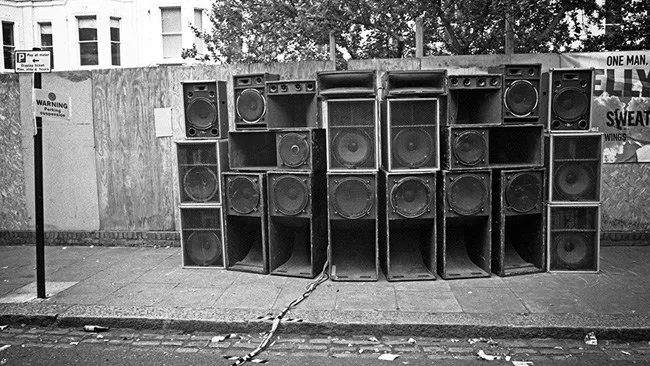
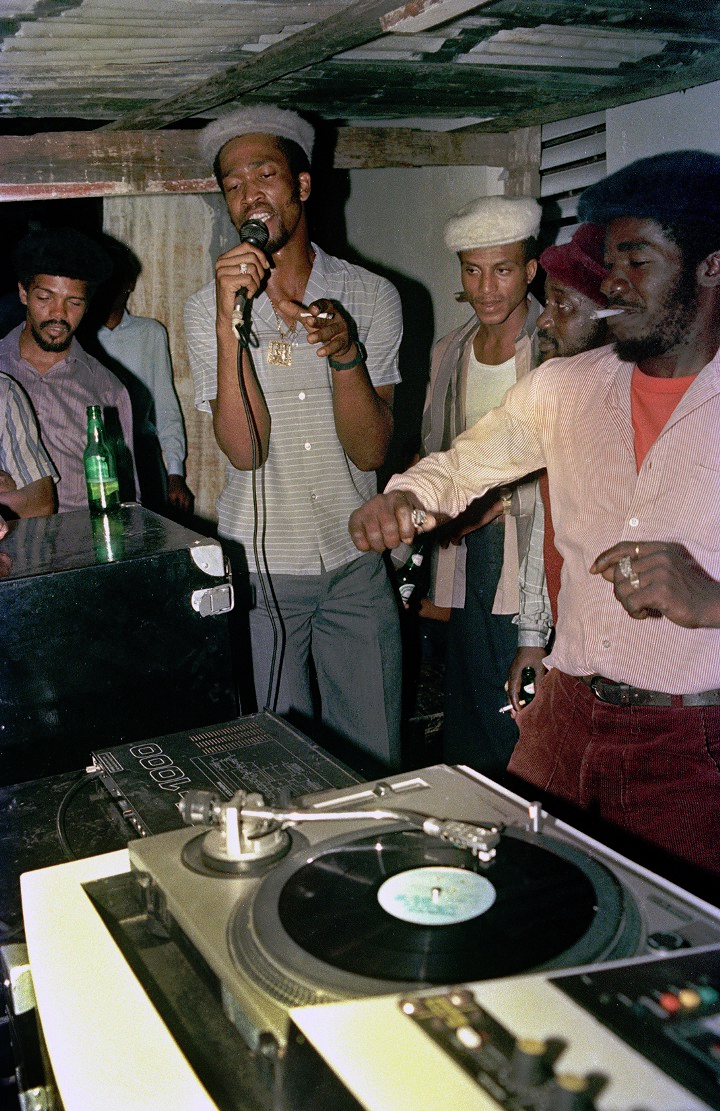
At eighteen, Campbell attempted to recreate the Jamaican dancehall experience in the Bronx by spinning the latest Jamaican reggae records at neighbourhood parties, but his young African-American audience was not feeling the reggae beat and did not comprehend the Jamaican patois rhymes of sound-system MCs known as toasters. As DJ Kool Herc, Campbell shifted to playing funk records, but his reggae background caused him to favour funk with heavy-weight bass lines and lively percussive drumming. Kool Herc’s record selections were transmitted through hi-fi stereo equipment that spoke with the same awesome power and sonic quality of a roots Jamaican sound system. The selector, as a deejay is called on a reggae sound system, though using one turntable-the norm during the ’60s and ’70s- was still capable of altering the arrangement of a tune spinning off a record on the turntable platter. The selector skillfully inflicted a completely different sound context on a roots reggae recording by manipulating the controls on the sound system’s amplifier to briefly remove the bass on a tune, accentuate the singing of the song’s vocalist, and highlight the harmony of trumpet, saxophone, and trombone. The selector would create tension in a live remix by bringing back the bass booming like a compact implosion. By the ’70s, the selector had the ability to vary the sonic texture of the recording by creatively deploying reverb and echo chamber to repeat the sweetest elements of a vocal or horn solo and as a special sound effect that dramatized certain aspects of the recording with a live feel.
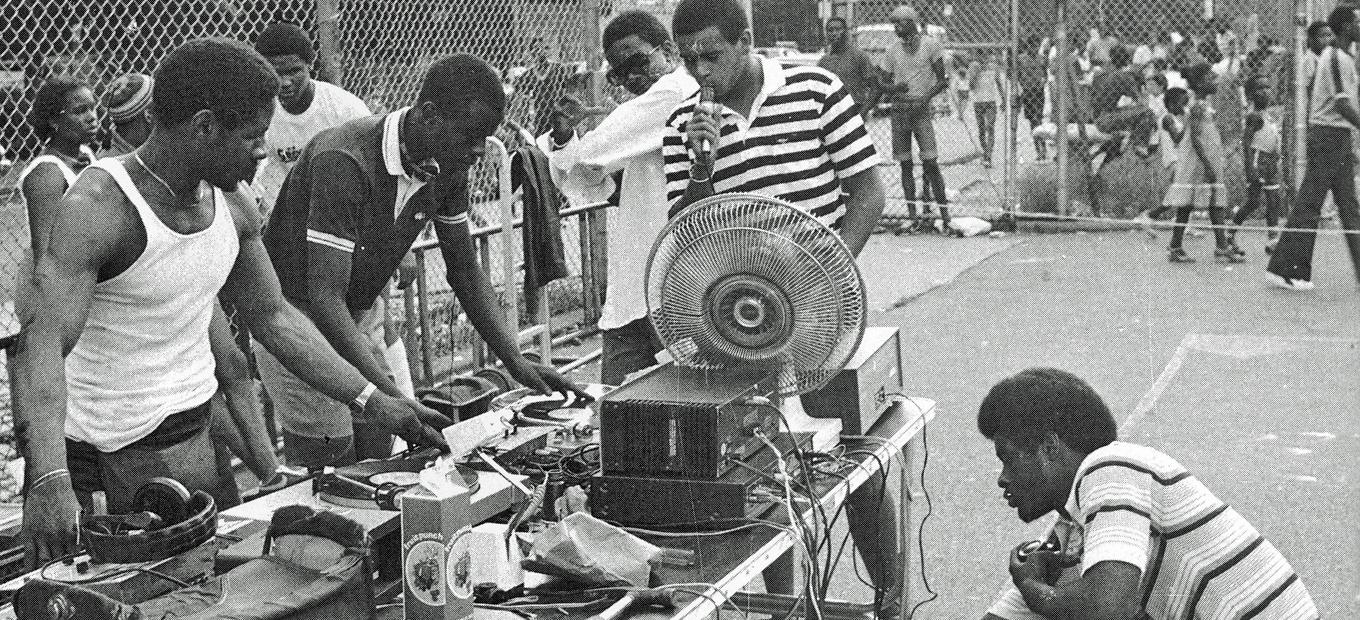
Kool Herc’s approach to creating something fresh from pre recorded funk on vinyl was different because he used two turntables. But his approach was similar in that he shared the same objective as the selector, which was to do a live remix of the record to heighten the entertainment of his audience. He extended the intoxicating rhythmic feel of percussive conga, bongo, or trap drums sizzling the break of records like Mandrill’s“Fencewalk,” the Incredible Bongo Band’s“Apache,” and the live version of James Brown’s“Give It Up, Turn It Loose” by playing the same record on two turntables using a sound mixer to seamlessly prolong the percussive breakbeats.
Herc pioneered the innovative use of two turntables and a sound mixer as active instruments that became more than passive facilitators, more than just pieces of electronic equipment that merely played what was recorded on vinyl.
These electronic instruments were now used to rearrange prerecorded music to suit the immediate needs of the disco and the dance floor. When DJ Kool Herc rocked a block party, dispatching African American funk with the overwhelming sonic power of a reggae sound system, no other deejay dared to compete.
The early 1980s were a period in which the lines between studio producers, engineers, songwriters and disc-jockeys became increasingly fuzzy. Many dj’s, in addition to spinning records at clubs, ventured into dance music production, bringing many of the workplace concepts and techniques into the recording studio. In the process, the art of mixing using a multitrack console and recorder, and of mixing at a dance venue, using two or more turntables and a comparatively unsophisticated audio mixer, moved closer to each other. The more savvy djs were the first to feed the know how thus acquired back to the dance venue. As a result, the number of versions found on a 12-inch single has increased from two (A-and B-side) to about four to six. To account for this new flexibility, different categories of versions or mixes were developed during this period, as djs became increasingly involved in the songwriting, producing and engineering of dance music. The oldest of these now more or less standard categories is the dub . In addition to containing one extended, one instrumental and one or more dub mixes, contemporary 12-inch dance singles often feature at least one of the following:
-a Club Mix which refers to the location the music is geared for, often specific: Both the “Paradise Ballroom Mix” on Arnold Jarvis’ “Take some time out” and the “1018 Mega Mix” on Nia Peeples’ “High Time” refer to renowned da& venues in New York City.
-a mix named after one of the current dance music styles: examples are “House Mix.” “Hip-Hop Mix” or “Hurlev’s Hia House Mix” (the latter refers to the author of the mix as well as
the style).
-a mix bearing the name of the author of the version in question, in almost all cases a dj. (e,g. “Lam Levan 12″ MegaMix” of Gwen Guthrie’s “Outside in the Rain,” “Shep Pettibone Mix” of Janet Jackson’s “The pleasure principle,” “Duane Bradlev Mix” of Inner City’s “Big Fun”).
This underscores the high social status dj’s may achieve by issuing his own remix.
-one of either an Acapella, or Percapella mix.
-a Bonus track (track here refers to one cut on a vinyl record), either called Bonus Beats, a version stripped of all instrumentation except the percussion and, perhaps, a bassline. The less frequent alternative is to include a bonus track consisting of an entirely different song, in the way that some CD’s feature songs that are not included on albums featuring otherwise identical music and packaging.
-a radio edit, also called 7-inch edit, featuring a mix whose duration and arrangement conforms with standards used in radio programming, and is most often identical with the album and/or 7-inch single version.
The interaction or overlap between the technological approaches characteristic of the recording studio on one side and the dj booth at a dance venue on the other is exemplified by the way the aesthetic domain of the latter former has affected that of the former. When moving from record to the next, the dj bases his choice of sequence on his assessment of the compatibility between the two songs, in order to make as “good” transition as possible.
Text from: “Supremely clubbed, devastatingly dub bed” : Some observations on the nature of mixes on 12inch dance singles. Author: Kai Fikentscher. Versions of this paper were presented at the 1990 meetings of the Mid Atlantic Chapter of the Society for Ethnomusicology (MACSEM) in Newark, Delaware, and of the International Association for the Study of Popular Music (IASPM) in New Orleans, Louisiana.
Fonki Chef runs a DJ-ing school and a video series of crucial all vinyl selections delivered with impeccable style. Coming in with nuff flavors, 45’s and 7″ inna extra large mix. Check check check it out!

 OUT OF MANY COME DUB AND OUT OF DUB COME ONE