
Jah Billah says:
All of us are witness to historically unprecedented mass destruction of humanity and culture, along with inexorable propaganda and overall censorship. This excerpt shows struggle of reggae musicians in Palestine:
The Ministry of Dub-Key
In 2011, long-time reggae enthusiasts Walaa Sbeit and Bruno Cruz visited the occupied Golan Heights to collaborate with Toot Ard, a Syrian reggae band. Returning to Haifa, Cruz and Sbeit were inspired to form a band that combined elements from reggae music with Palestinian folklore and dance. This fusion of was achieved through the integration of dub music.
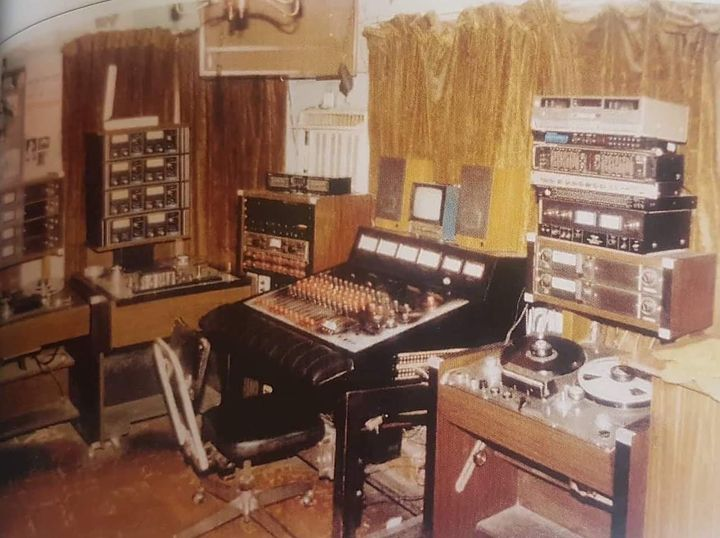
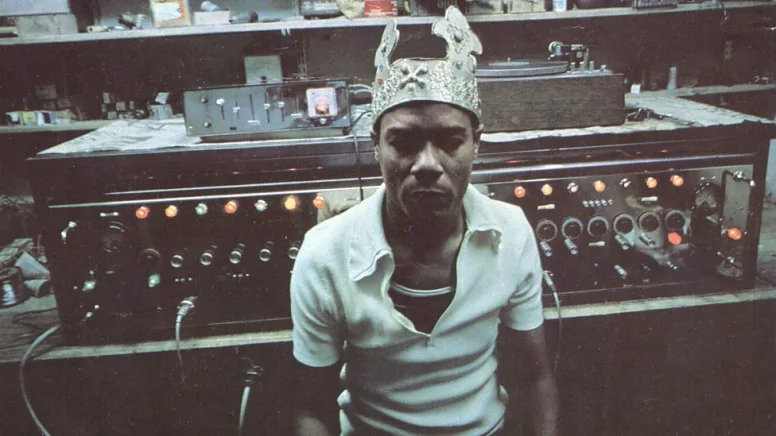
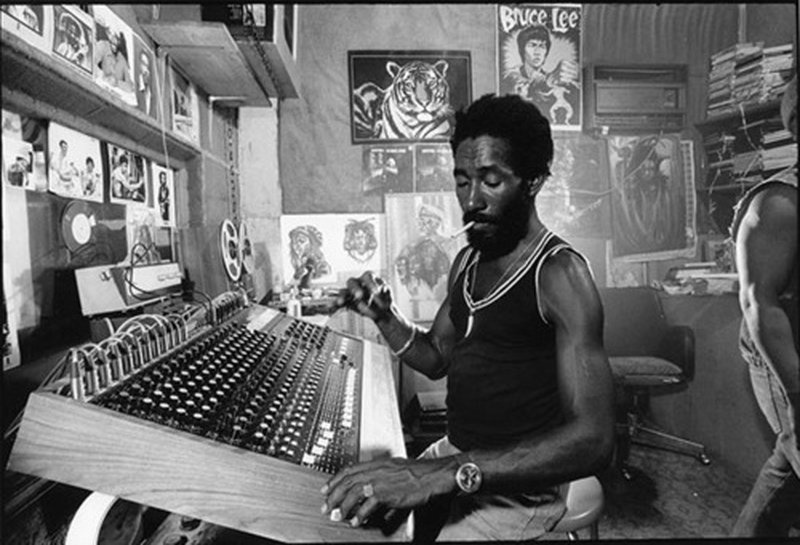
In the 1960s, amateur musicians in Kingston, Jamaica engaged in the practice of dubbing reggae music. This process involves the accentuation of the bass on an instrumental version of a reggae song. The musician then speaks or sings over the instrumental, thereby “dubbing” the song. This process allows musicians to produce multiple versions of songs while avoiding the financial burden of recording a song in a studio. The production of the Ministry of Dub-Key’s music involves dubbing, as referenced in the band’s name.
Cruz explains that the individual parts of the band’s name represent their philosophy.
“Ministry” refers to the band’s collaborative projects with artists who share the same message and purpose. “Dub” refers to the band’s music production. “Key” is a tribute to exiled Palestinians who kept the keys to their houses after Al-Nabka as a means of symbolizing their eventual return. “Dub-Key” is a homonym for “dabkeh”, which is a reference to traditional Palestinian music and dance.
The band originally consisted of Walaa Sbeit, Bruno Cruz and Sami Matar before Matar’s untimely death in September 2011. In 2013, Maysa Daw joined the band. Daw, along with Cruz and Sbeit, are featured in Dumyeh Plastikieh.
Responsibilities are divided between the members for music production. Sbeit is primarily responsible for the lyrical content and, occasionally, the musical composition. As the band’s producer, Cruz oversees the musical composition. Cruz explains that all songs are produced in an independent home-studio. Daw, Sbeit and other collaborators engage in improvisational music sessions loosely based on written material. Daw explains: “[We] maybe practice [the songs] once or twice before the show and then whatever comes on stage, comes. Cruz noted that Dumyeh Plastikieh took two days to write and record.
A primary goal for the Ministry of Dub-Key is the use of Palestinian reggae as a peaceful way to call for liberation while breaking Arab stereotypes. Daw states: “It’s a message of freedom … we want things to change.” Moreover, Cruz claims that the band uses a non- violent form of resistance to challenge stereotypes imposed on Palestinians. Daw echoes this sentiment, saying, “It’s a way to show that Arabs are not as everybody thinks, to break the image of how people see us.”
From:
Dub, Dub-Key and Dabkeh: Palestinian Resistance through Reggae Music in Israel
by Yazan Abughaida, 2015.
Soundcloud: Ministry Of Dub-Key
Youtube: Ministry Of Dub-key


 OUT OF MANY COME DUB AND OUT OF DUB COME ONE