
#Dub #Jazz
“In jazz, dub is everything” is mixtape series outta Novi Sad with yearly releases up on Mixcloud.
Full joy easy selection!
#Dub #Jazz
“In jazz, dub is everything” is mixtape series outta Novi Sad with yearly releases up on Mixcloud.
Full joy easy selection!
#harispilton
Number one SloveniaJAH producer Haris Pilton coming in with Dunza EP featuring legendary Johny Clarke and Hornsman Coyote. Vocal and brass versions followed by 3 different dub cuts. NAH MISS!
“Dunza EP”
In a groundbreaking musical venture, Haris Pilton, the visionary artist and producer, is set to unveil his latest masterpiece, the ” Dunza EP.” This highly anticipated release sees the convergence of talents from various corners of the globe, creating a musical tapestry that transcends boundaries and genres. The EP, featuring the legendary Jamaican reggae singer Johnny Clarke and Serbia’s acclaimed trombone player Hornsman Coyote, is a testament to the universality of music and its power to connect diverse cultures.
Haris Pilton, known for his innovative approach to music production, has curated a collection of five tracks from the legendary Blood Dunza riddim. “Blood Dunza EP” is not just an EP album; it’s a sonic journey that invites listeners to immerse themselves in a world where tradition and modernity coalesce in perfect harmony.
The collaboration with Johnny Clarke, an icon in the Jamaican reggae scene, brings an authentic and timeless feel to the EP. Clarke’s soulful vocals and profound lyrics resonate throughout first song on EP, elevating the listening experience to new heights. His contribution adds a rich layer of authenticity to the project, making it a genuine celebration of reggae’s roots and golden era of reggae..
Hornsman Coyote, a maestro of the trombone hailing from Serbia, injects the EP with a distinct and vibrant energy. His skillful play weaves through the melodies, creating a bridge between the Caribbean rhythms and the soulful echoes of Eastern Europe. The result is a fusion that transcends borders, demonstrating the universal language of music.
As the mastermind behind the “Dunza EP,” Haris Pilton showcases not only his prowess as a producer but also his ability to bring together artists from different corners of the world. The EP is a testament to the power of collaboration and the magic that unfolds when diverse talents unite under a common creative vision.
With each track carefully crafted and produced by Haris Pilton, the “Dunza EP” promises a listening experience that is both captivating and thought-provoking. One vocal, one brass and three different dub versions from the roots-inspired beats to the contemporary twists, the EP encapsulates the essence of reggae while pushing the boundaries of the genre.
Prepare to embark on a musical odyssey as “Dunza EP” drops, inviting you to immerse yourself in the soulful & dubby sounds of reggae, enhanced by the collaborative brilliance of Haris Pilton, Johnny Clarke, and Hornsman Coyote. It’s more than an EP album; it’s a cultural convergence, a celebration of unity through music, and a testament to the enduring power of collaboration in the ever-evolving landscape of global soundscapes.
#dubmatix Gwan over to Dubmatix BandCamp music page and bag entire Dubmatix discography for 35$ or more.
That’s 70 releases including latest Rock & Sway with Al Pancho!
Dubmatix been consistent since day one in delivering that finest blend possible of old school sound we all love alongside keeping in beat with with many a youthman’s style of delivery like jungle, trap and dancehall, and as reward for us keeping in tune with all that goody good goods,
this comes as End of Year Sale that is brilliant opportunity to load up your digital crates!
Here’s how you do it:
On every release page there is the option to purchase the “Full Digital Discography” – click on that link and you’re ready to go.
#banduludub
Bandulu Dub one of the hardest working man in dubwise promotions comes with brand new track featuring Sickandah. Song about time with chill out vibes. Niceness!
#DUB #VINYL
Top notch vinyl selection played on top shelf turntables blasting top sound dub siren for some top reggae time!
Chapter one here.
#VedicRoots
Hour long super cool vibes Vedic Roots session for Boiler Room at Southall.
#steppers #dub
Fulljoy!
#vinyl #DUB
…Vinyl You Won’t Hear On Spotify
“One turntable, a dub siren and a stack of vinyl” selection by Simma. Fulljoy!
#yaba #yabass
Jah Billah says: don’t sleep on this 2020 classic, no sah!
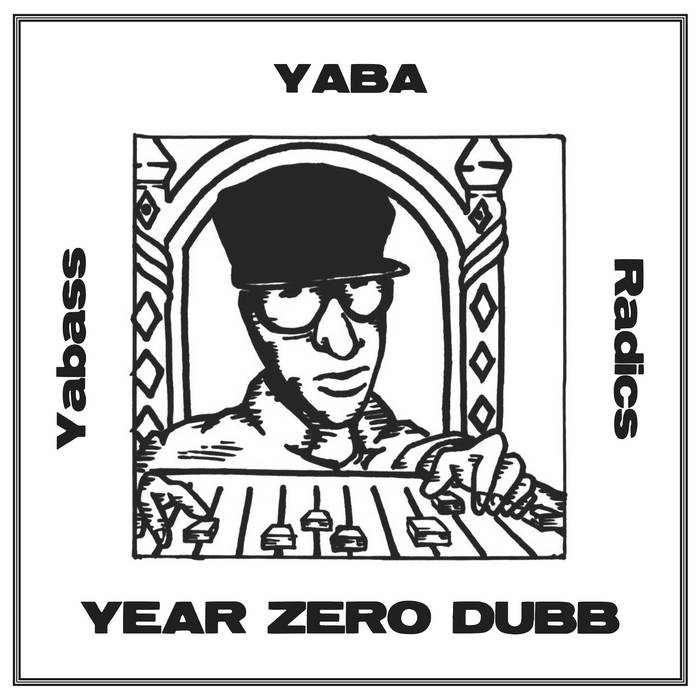
If you don’t know Yabass, Alan ‘Yaba’ Blizzard, by now, time to know. Original UK sound from way back when you all had a smaller head.
I remember the original DUB ark at Versionist.com would rejoice when new Yabass DUB would drop cause they were heavyweight guaranteed.
Raw DUBness ahead!!!
Respectfully recommended for all DUB heads who nah miss out on that old haunting roots DUB Sound.
All instrument played with guests and mixed and recorded by Yaba himself.
Released on Hornin’ Sounds label outta France.
You can jump from easily selected Kunta Kinte version titled “Kinte Fights Pandemic” or start from the top to the very last drop.
Fulljoy sound of Yabass Guardian of the Underground!
#rebelmusic #reggae #rasta
Ultimately, however, international reggae‘s appeal to international audiences may have had more to do with changes in the image of reggae artists, the packaging of the albums, and the sound of the music itself.
In his efforts to market the Wailers, for example, Blackwell first molded the Waiters‘ image into that of a rock-and-roll group. While reggae “groups” typically had consisted of a loose collection of singers and hired studio musicians, Blackwell promoted the Wailers as a stable, self-contained “band”—much like the Rolling Stones or Led Zeppelin.
Second, Blackwell led a new trend among Jamaica’s record producers toward original, thematic, and full-length LP (long-play) albums, again following the lead of rock-and-roll groups. Previously Jamaica’s
record producers had distributed mostly singles or cheaply produced compilations of “greatest hits”.
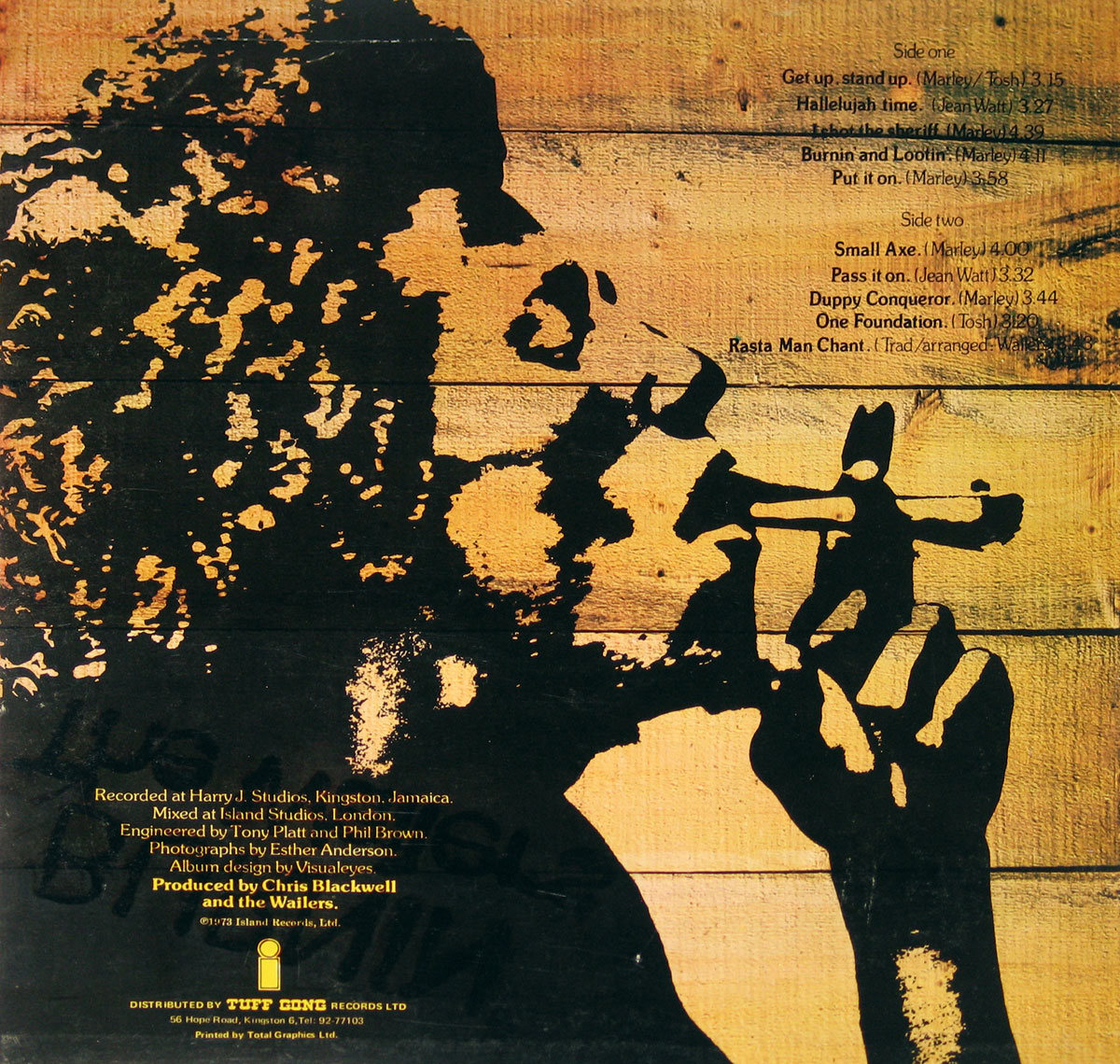
Finally, those albums came packaged in glossy, well-produced jackets promoting the image of the rebellious, ganja-smoking Rastafarian. On the back cover of the Waiters‘ 1973 album Burnin‘, for example, Marley was pictured smoking a 12-inch spliff, or marijuana cigarette. On Peter Tosh‘s 1976 album, Legalize It, the singer was photographed crouched down in a ganja field. Reggae album covers also emphasized the Rastafarian’s symbol of black defiance, the dreadlocks, or displayed the Ethiopian colors of red, green, and gold. The cover of the Wailers‘ 1980 album Uprising, for example, featured a drawing of Bob Marley, along with the album’s title in red, and a background of green mountains
and a gold sun.
While most of the major instrumental innovations of international reggae were established during the early reggae period, international reggae was marked by a more sophisticated and polished studio sound. Most early reggae songs were recorded in primitive studios in Jamaica. International reggae, however, generally was recorded in state-of-the-art studios in the United States or Great Britain.
According to Jones, this helped to undermine “the common accusation made by rock fans that reggae was a music of ‘inferior’ quality”. In the first attempt to reverse this trend, Chris Blackwell took the Wailers‘ instrumental tracks for Catch a Fire, previously recorded in Jamaica, and remixed, edited, and mastered the tracks in a London studio.
Rock critics Ed Ward, Geoffrey Stokes, and Ken Tucker highlighted the dramatic change in reggae’s new sound: “Catch a Fire” was a “revolutionary example of reggae recording, far superior in its technology than most other reggae records”.
U.S. and British record producers also manipulated the instrumentation in reggae arrangements to create a lighter, “softer” reggae. Some U.S. record producers would deemphasize reggae’s dominant instruments, the electric bass guitar and drums, and push the keyboard and electric guitar to the front of the mix. In 1980, Jamaican dub poet Linton Kwesi Johnson provided a clear rationale for the systematic manipulation of the reggae sound:
“[there was the] belief that the hard Jamaican sound, with the emphasis on the drum and the bass, would not be as accessible to the non-Jamaican listener as a lighter sounding production would be”.
To appeal to international audiences, reggae musicians also incorporated familiar genres of American music into the reggae arrangement.
During the remixing of the Wailers‘ Catch a Fire, for example, Blackwell dubbed traditional rock-and-roll instruments, including rock guitar and synthesizer, over the reggae beat. During the recording of
the same album, a session guitarist, Wayne Perkins, also added guitar solos. Throughout their career, the Wailers dabbled in blues (“Talkin’ Blues” [Natty Dread]), funk (“Is This Love?” [Kaya]), and folk music
(“Redemption Song” [Uprising]). Similarly, Toots and the Maytals, in their 1973 Funky Kingston, fused R&B and reggae into the album’s title song.
In sum, the new international success of reggae music in the 1970s may have been more the result of marketing and changes in its sound than changes in its “message.” Reggae was still a “rebel music.” Growing up in some of Jamaica’s worst slums, reggae musicians still critiqued Jamaica’s neocolonial society. Reggae musicians also expressed concern about international affairs, specifically political problems on the African continent. While still sensitive to the problems at home, they also began
to identify themselves more as Africans than Jamaicans. In the final analysis, however, reggae’s international success probably was more the result of changes in its sound. Record producers improved and “softened” the reggae sound and incorporated new instruments, such as synthesizers and rock guitars, into the reggae arrangement.
Reggae musicians also borrowed freely from musical genres including rhythm and blues and funk. Yet whatever the explanation, reggae’s sudden status as an international musical sensation focused unprecedented attention on the Rastafarian movement and exacerbated tensions within the move-ment. Indeed, the music created whole new groups of supposed Rastafarians apparently attracted to the movement by little more than the image of the “Rastaman” and the music itself. These “pseudo” Rastafarians had little in common with traditional Rastafarian principles and beliefs.
Parts of Chapter Reggae Music in the 1970s: “Bubbling on the Top 100” from:
Stephen A. King (1998) International reggae, democratic socialism, and the secularization of the Rastafarian movement, 1972–1980, Popular Music and Society, 22:3, 39-60,
DOI: 10.1080/03007769808591713
Fulljoy original professor Eeka old school lesson on live performance in 2023 Reggae Rotterdam festival.
#EekAMouse #live
Strictly vinyl mix from main man BissoMan with 50 crucial cuts of Bob Marley.
Tracklist:
1. Judge Not (Beverley’s Records)
2. Love and Affection (CBS)
3. Simmer down (CBS)
4. One Love (Studio One)
5. Mellow Mood (Wail ‘n Soul ‘M)
6. Stir It Up (Island)
7. Rock My Boat (Upsetter)
8. No Water (Mcps)
9. Reaction (Upsetter)
10. It’s All Right (Mcps)
11. Sugar Sugar (Impact!)
12. Mr Chatter Box (Striker Lee)
13. Soul Shake Down Party (Upsetters)
14. Soul Captives (Imperial International)
15. African Herbman (Babylon)
16. Sun Is Shining (Island)
17. Concrete Jungle (Randy’s)
18. Mr Brown (Mcps)
19. Kaya (Babylon)
20. Gonna Get You (Wea)
21. Do It Twice (Fonit-Cetra Internatinal)
22. Lively Up Yourself (Mcps)
23. Bunin’ and Lootin’ (Island)
24. Rastaman Chant (Island)
25. Rebel Music (‘3 o’Clock Road Block) (Island)
26. Them Belly Full (Island)
27. No Woman No Cry (Island)
28. Jah Live (Tuff Gong)
29. War (Island)
30. I Shot The Sheriff (Island)
31. Punk Reggae Party (Island)
32. Guiltiness (Island)
33. Want More (Island)
34. Rastaman Live up (Tuff Gong)
35. One Drop (Island)
36. Jammin’ (Long Version) (Island)
37. So Much Trouble In The World (Tuff Gong)
38. Exodus (Island)
39. Easy Skanking (Island)
40. Ambush in the night (Island)
41. Time Will Tell (Island)
42. Natural Mystic (Island)
43. Redemption Song (Island)
44. Rat Race (Island)
45. Work (Island)
46. Coming From The Cold (Tuff Gong)
47. Pimper’s Paradise (Island)
48. Could Be Love (Island)
49. Buffalo Soldier (Tuff Gong)
50. Iron Lion Zion (Collection Series)
 OUT OF MANY COME DUB AND OUT OF DUB COME ONE