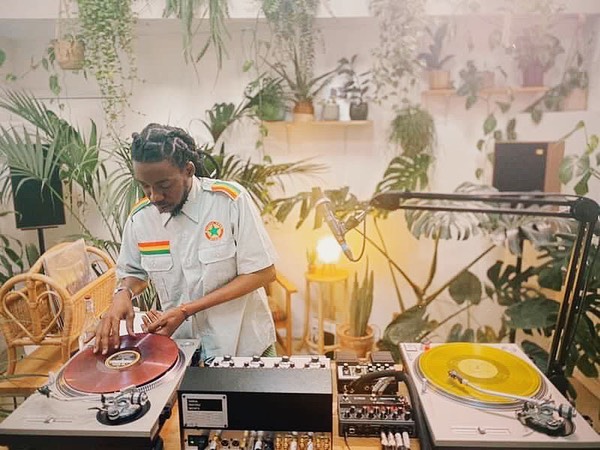
McPullish outta Texas releases 2015 “Journey” recording of late and great Judah Eskender Tafari featuring steppers anthem cut and fitting “niyacoustic” mix meditation mix in limited color sleeve 300 7″ vinyl.
From press release:
Judah Eskender Tafari’s musical journey began at Studio One (Jamaica) in 1978, voicing now-classic songs such as “Danger in Your Eyes,” “Rastafari Tell You,” “Jah Light,” “Always Trying” and many others. He worked with many producers and musicians over the course of his impressive music career.
In 2015 Judah traveled to Austin, TX to perform and work with McPullish at his Dubhaus studio. “Journey” is a co-production between these two friends that has stood the test of time and become a favorite, beginning or ending almost every McPullish live dub set in recent years. Judah was not only a great singer but a genuine and caring person who mentored McPullish and many others, always willing to share his musical knowledge and kind spirit with whoever he met. Judah Eskender Tafari passed away in 2020 and is greatly missed, celebrated by his many friends, family and fans.
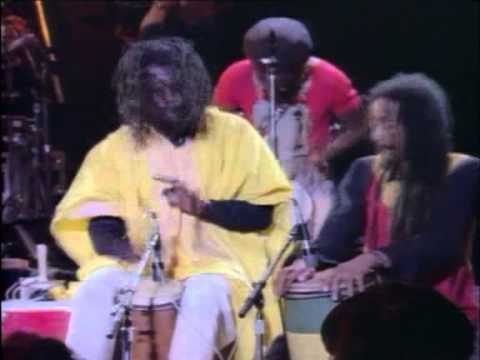
In 2022 McPullish reached out to Dan I Locks (musician, producer and operator of Deng Deng Hi Fi in Sweden) to record Niyabinghi drums and percussion for a more acoustic version of the song which is featured as the B side.
Tiny desk concerts from NPR music are tiny concerts in small rooms. This time it’s Adrian Sherwood’s living room jamming with legendary Andy Horace supported by drums, cello, guitar, bass, keys, trumpet, guitar and cello while dubbing FXs are preformed by maestro himself. Fulljoy!
Original Ras Jammy selection on My Analog Journal with just under 50 minutes of finest roots rock reggae and dubwise. 100% vinyl with crackle, hum and nuff warmth.
Privileged to listen to some early mixes in the making of this master piece, Jah Billah confirms this album opens up a new chapter for Balkan regggae.
Mr. Pilton says:
After two years brand new reggae album is here.
HARIS PILTON meets legendary JOSEPH COTTON aka JAH WALTON on an album called MR CLASSIC. The album includes 14 songs in an old fashion reggae style.
Enjoy
From press release:
MR CLASSIC is the latest album from Joseph Cotton in collaboration with producer Haris Pilton.
Legend Joseph Cotton aka Jah Walton (born Silbert Walton, 1957, St. Ann, Jamaica) is a reggae deejay and singer active since the mid-1970s. He recorded his first song named “Gourmandizer” with Joe Gibbs in 1976, under the name Jah Walton. He then moved to Harry Mudie owner of Moodisc label, recording popular tracks such as “Stay A Yard And Praise God” and “Touch Her Where She Want It Most” (the title track from his debut album).
In the mid-1980s he began recording under the name Joseph Cotton, immediately having success. He reached No.1 in the UK charts with “No Touch The Style”, leading to a television appearance on Channel 4’s Club Mixprogramme in 1987. Several more reggae chart hits followed in the form of “Things Running Slow”, “Pat Ha Fe Cook”, “Tutoring”, “Judge Cotton”, and “What Is This”.
Cotton continued to perform and record into the 1990s, 2000s and the present day. He now lives in France where he performs at venues throughout the country and elsewhere in Europe both solo and in collaboration with other reggae artists
Marshall Neeko been rocking riddim remakes for a while now. Check out Night Nurse featuring classic cuts from Anthony B, Gregory Isaacs, Lady Saw and more…
By 1960, several Jamaican institutions had begun to show an interest in the counterculture, and to contribute to the demarginalisation of the Rastafari movement which had previously been repressed. One such institution was the University of the West Indies, which put the Rastafari on its agenda. In the course of these trajectories, Jamaican public opinion, which had predominantly perceived the Rastafari movement to be a crowd of violent criminals, fools and outcasts, changed successfully.
Particularly, reggae music (as the emancipation of Jamaican popular music) was co-opted. The result of the blending of Afro-Jamaican Burru and Kumina drum techniques and folk traditions with Afro-American musical styles (including jazz, gospel, rhythm and blues, soul and swing) led to the creation of mento, ska, rocksteady and reggae styles like dancehall, dub, lovers, raggamuffin, rockers and roots, which ‘exerted a tremendous influence on the development of post- World War II popular music globally’. The musical film The harder they come (1972), starring Jimmy Cliff, contributed enormously to the transnationalisation, popularisation and commercialisation of roots reggae. Not until this style developed, did reggae lyrics exhibit the spirituality and socio-political engagement that came to be seen as the hallmark of roots reggae. And, clearly no one represented the Rastafari rhetoric and feelings of this genre to the world more ably and persuasively than Bob Marley.
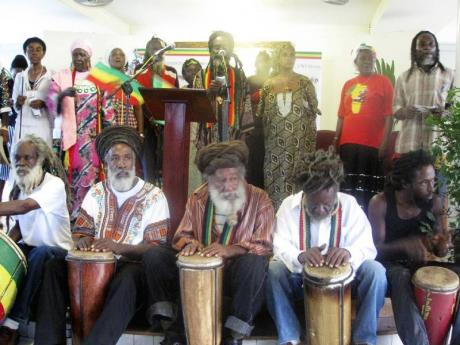
In fact, conscious reggae music, with its recreational, critical and inspirational dimensions, would soon transcend the Rastafari milieu and succeed in conquering a global audience. Today, Rastafari not only has observer status in the United Nations, but even more importantly it has become part of everyday culture in Jamaica, and even abroad. However, the various Rastafari mansions relate differently to reggae music: whereas Boboshanti reject reggae as part of their culture and only consider drumming and chanting as true Rastafari music, the Theocracy Reign Order of the Nyahbinghi describes its relationship to reggae through the metaphor:
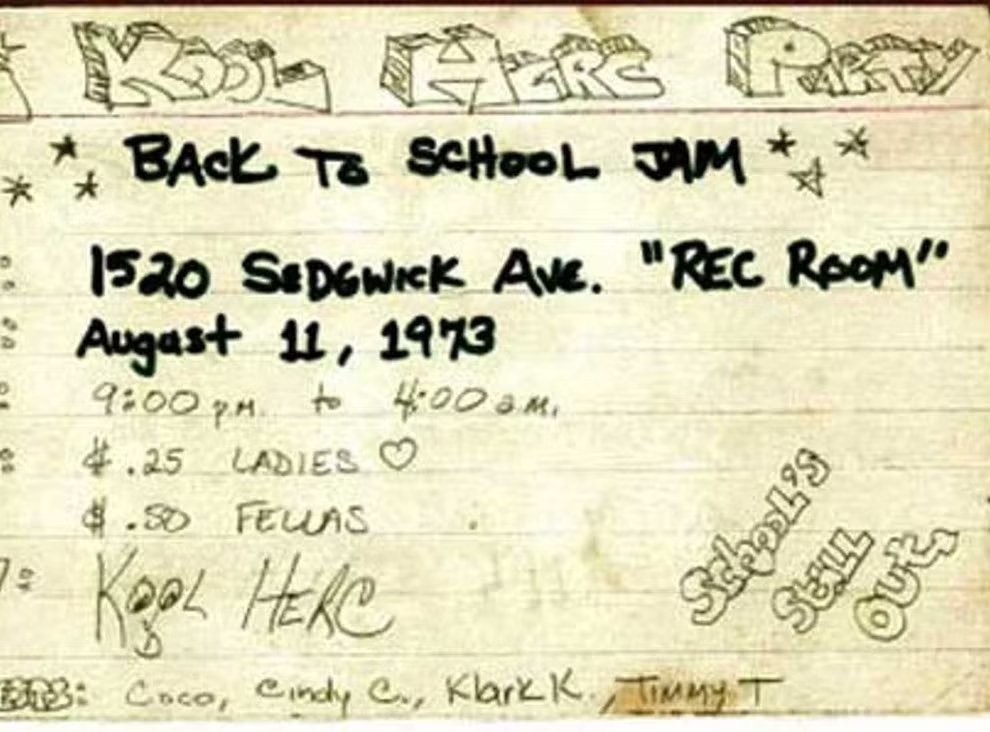
DJ Kool Herc, the chief architect of hip-hop, was born Clive Campbell in Kingston, Jamaica. At the age of twelve, in the winter of 1967, Campbell moved to Bronx, New York. The year he migrated to America, sound-system culture in Jamaica had a ubiquitous presence in Kingston’s lower-class neighbourhoods. As a twelve-year-old preteen now living in the Bronx, Campbell already possessed a persistent reggae and sound-system consciousness having experienced the innovative music of Prince Buster, the Skatalites, Don Drummond, and dancehall deejay U-Roy.
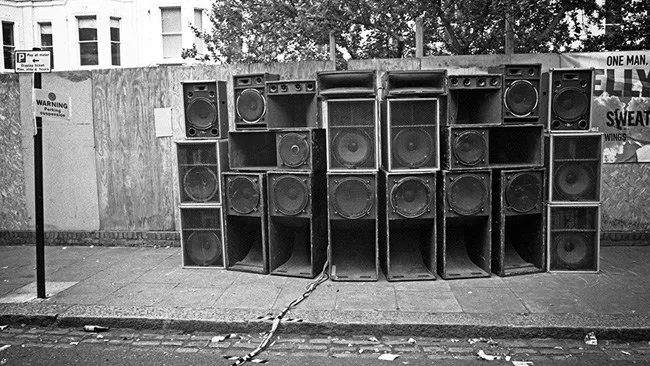
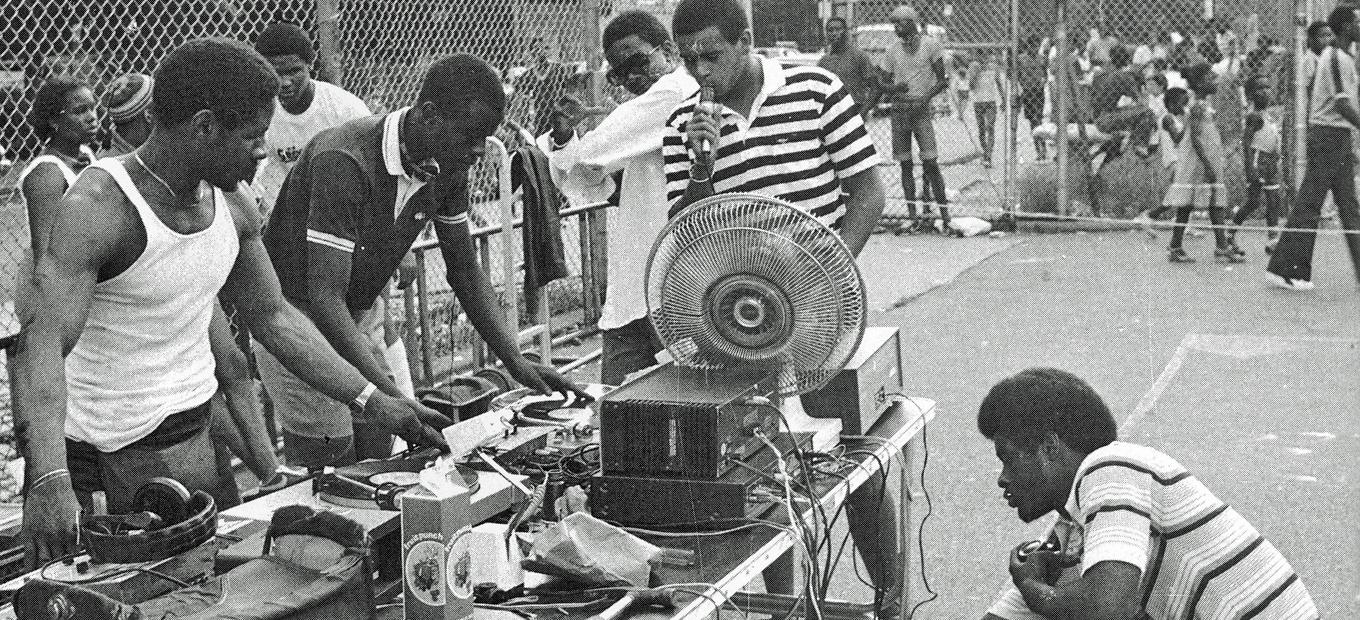
At eighteen, Campbell attempted to recreate the Jamaican dancehall experience in the Bronx by spinning the latest Jamaican reggae records at neighbourhood parties, but his young African-American audience was not feeling the reggae beat and did not comprehend the Jamaican patois rhymes of sound-system MCs known as toasters. As DJ Kool Herc, Campbell shifted to playing funk records, but his reggae background caused him to favour funk with heavy-weight bass lines and lively percussive drumming. Kool Herc’s record selections were transmitted through hi-fi stereo equipment that spoke with the same awesome power and sonic quality of a roots Jamaican sound system. The selector, as a deejay is called on a reggae sound system, though using one turntable-the norm during the ’60s and ’70s- was still capable of altering the arrangement of a tune spinning off a record on the turntable platter. The selector skillfully inflicted a completely different sound context on a roots reggae recording by manipulating the controls on the sound system’s amplifier to briefly remove the bass on a tune, accentuate the singing of the song’s vocalist, and highlight the harmony of trumpet, saxophone, and trombone. The selector would create tension in a live remix by bringing back the bass booming like a compact implosion. By the ’70s, the selector had the ability to vary the sonic texture of the recording by creatively deploying reverb and echo chamber to repeat the sweetest elements of a vocal or horn solo and as a special sound effect that dramatized certain aspects of the recording with a live feel.
Kool Herc’s approach to creating something fresh from pre recorded funk on vinyl was different because he used two turntables. But his approach was similar in that he shared the same objective as the selector, which was to do a live remix of the record to heighten the entertainment of his audience. He extended the intoxicating rhythmic feel of percussive conga, bongo, or trap drums sizzling the break of records like Mandrill’s“Fencewalk,” the Incredible Bongo Band’s“Apache,” and the live version of James Brown’s“Give It Up, Turn It Loose” by playing the same record on two turntables using a sound mixer to seamlessly prolong the percussive breakbeats.
Herc pioneered the innovative use of two turntables and a sound mixer as active instruments that became more than passive facilitators, more than just pieces of electronic equipment that merely played what was recorded on vinyl.
These electronic instruments were now used to rearrange prerecorded music to suit the immediate needs of the disco and the dance floor. When DJ Kool Herc rocked a block party, dispatching African American funk with the overwhelming sonic power of a reggae sound system, no other deejay dared to compete.
Heavyweight combination with Hornsman Coyote brass section, Digitron steppas and Haris Pilton flavor and styles results in 11 track mixes including Dubolik dub and vocals by Tadiman, MC Lipin, Jahmadeus and Berise. Nah miss!
Ting A Ling riddim featuring vocal cuts from Peppery, Joseph Cotton, Tadiman, Buda, MC Lilpin, Jacuzzy Krall and Karmen Klinc! Rootical rub a dub style!