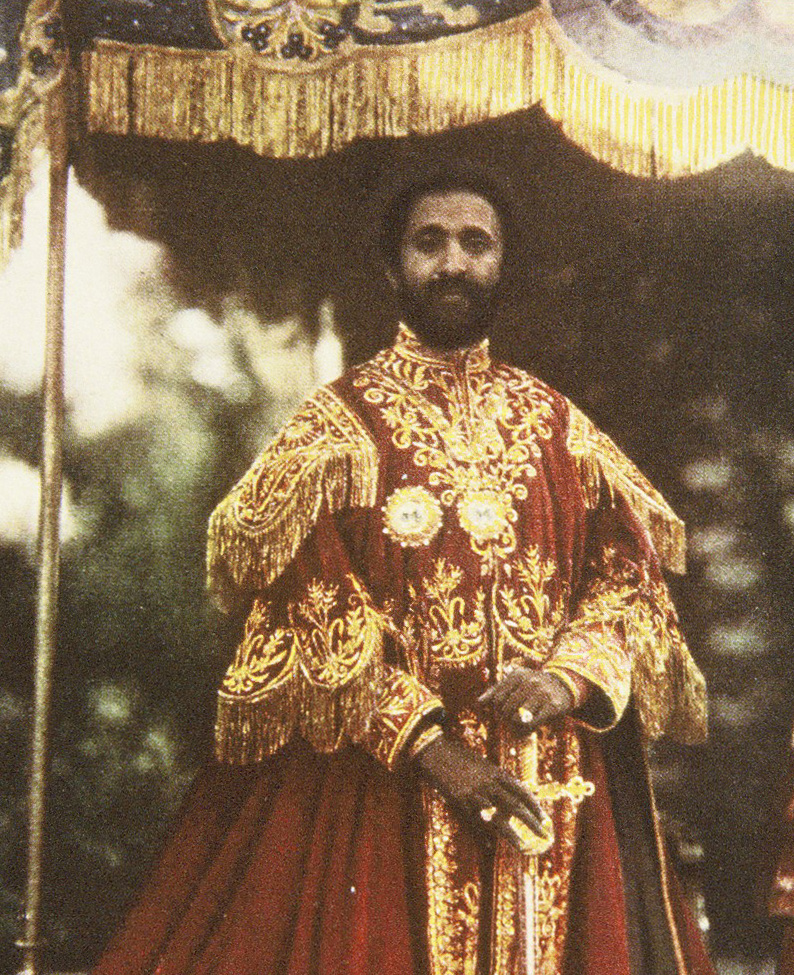
On Emperor Haile Sellassie I as the Living God

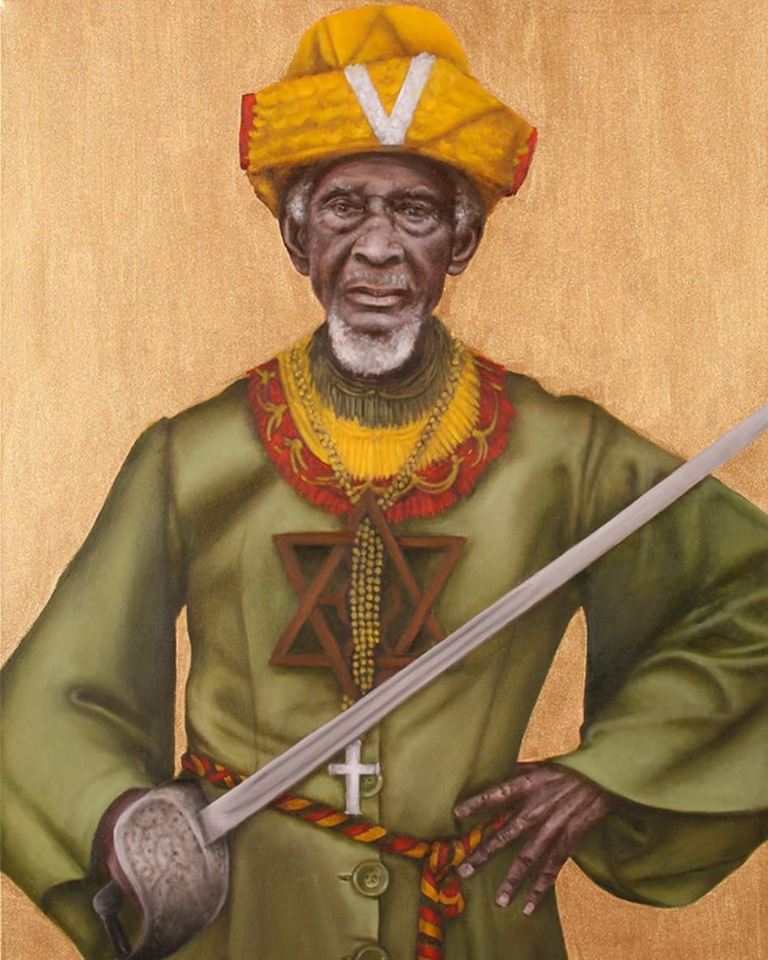
The doctrine that Ras Tafari known to the world as the Emperor Haile Sellassie I of Ethiopia, is the Living God, was developed by several persons independently.

Of these Mr. Leonard P. Howell is genuinely regarded as being the first to preach the divinity of Ras Tafari in Kingston. Howell is said to have fought against King Prempeh of Ashanti (1896), and claimed to speak an African language.

‘The Promised Key’, a basic Ras Tafari text, published in Accra, Ghana around 1930, shows clear evidence of Jamaican authorship. (Jamaica Times 28th May 1938).

Howell also spent several years in the north-eastern U.S., where he came into contact with black and white racism.

Another early preacher was Mr. Joseph Nathaniel Hibbert. Mr. Hibbert was born in Jamaica in 1894, but went with his adopted father to Costa Rica in 1911, returning to Jamaica in 1931. In Costa Rica Mr. Hibbert had leased 28 acres, which he put in bananas. In 1924 he had joined the Ancient Mystic Order of Ethiopia, a Masonic society the constitution of which was revised in 1888, and which became incorporated in 1928 in Panama. Mr. Hibbert became a Master Mason of this Order, and, returning to Jamaica, began to preach Haile Sellassie as the King of Kings, the returned Messiah and the Redeemer of Israel.

This was at Benoah District, St. Andrew, from whence he moved to Kingston to find Howell already preaching Ras Tafari as God at the Redemption Market.  Mr. H. Archibald Dunkley is another man who may claim to have brought the doctrine to Jamaica. Mr. Dunkley was a Jamaican seaman on the Atlantic Fruit Company’s boats, and finally quit the sea on the 8th December 1930, when he landed at Port Antonio off the s.S. St. Mary. Coining to Kingston, Dunkley studied the Bible for two-and-a half years on his own, to determine whether Haile Sellassie was the Messiah whom Garvey had prophesied. Ezekiel 30, I Timothy 6, Revelation 17 and 19 and Isaiah 43 finally convinced him.

In 1933 Dunkley opened his Mission, preaching Ras Tafari as the King of Kings, the Root of David, the Son of the Living God, but not the Father Himself. Other early preachers include Robert Hinds, who joined Howell, and Altamont Read who turned his following over to one Mr. Johnson when he became Mr. N. W. Manley’s bodyguard about 1940.

Found in: HISTORY OF THE MOVEMENT, from:
The Rastafari Movement In Kingston, Jamaica. PART 1
Authors: M. G. SMITH, ROY AUGIER and REX NETTLEFORD
Source: Caribbean Quarterly, Vol. 13, No. 3 (September 1967)

Image source: Colin Edward Murray Art
On One-drop

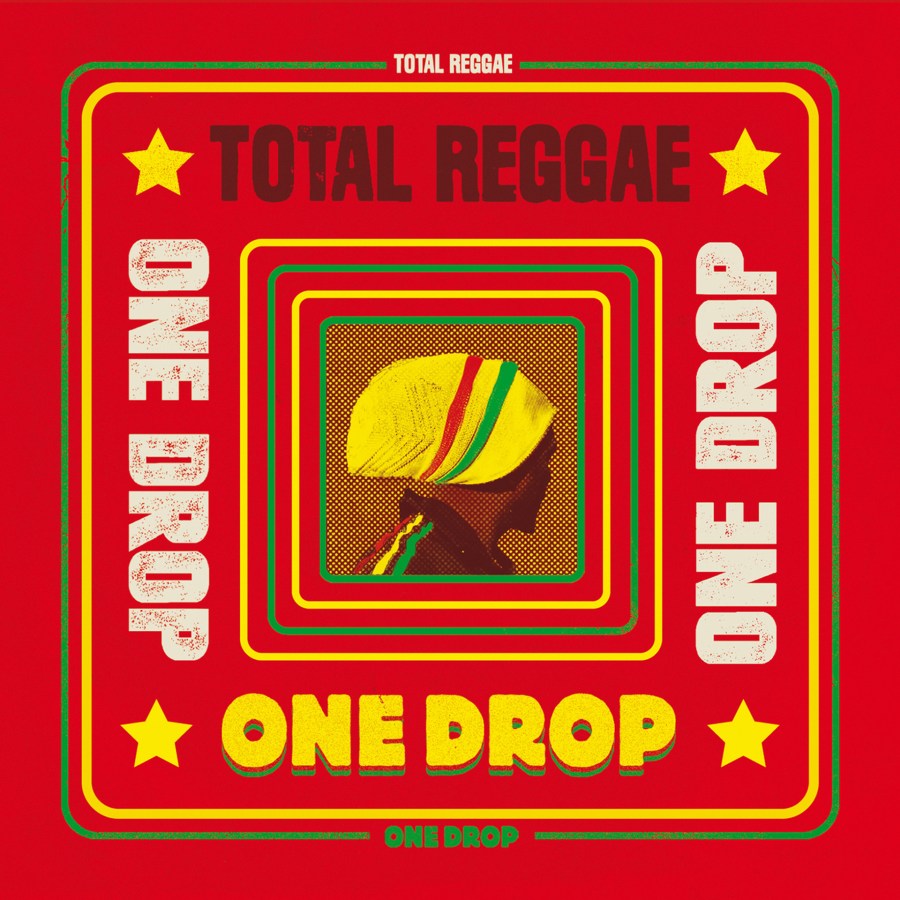
This unique drumbeat can be found in all genres of post-1960 Jamaican popular music, but, when used in this relatively slow and relaxed style of reggae, it provides a significant challenge to performers unfamiliar with Jamaican popular music. During my first attempts to play over this drumbeat, there was a constant urge to count the third-beat emphasis of the kick drum and side-stick as the first beat of the measure. The absence of the rhythmic anchor, normally provided by the kick drum on the first beat of the measure in most European and North American rock/pop music, was initially disconcerting.

Although the one-drop employs the hi-hat, to maintain the motion of the beat during the course of the measure, it is often performed with rubato, forcing the other rhythm section players to establish a timing reference from a rhythmic cycle that can be measured in bars.
The unique nature of this drumbeat demands that the performers in the rhythm section collectively share the responsibility of establishing and maintaining rhythmic motion and stability. It is in this context that the challenge of playing competent reggae guitar becomes most evident.

Found in: Jamaican Rhythmic Perception, from:
Ray Hitchins (2013) Rhythm, Sound and Movement: The Guitarist as Participant-Observer in Jamaica’s Studio Culture, Ethnomusicology Forum.

On Haile Selassie as God and King

“I know that the Jamaicans are here because of our king,” Daniel Wogu, an eighteen-year-old student and Shashemene inhabitant working toward acceptance in a medical program, told me. “They believe that he is sent from God to save them or make the black people free from slavery. They have their own history,” he continued. “As I have learned
from Ethiopian history, they say that our king went to their country to visit and there were some unexpected happenings. There was rainfall or something. They say then that this proves that Haile Selassie is not actually a man, but is God.”

Henock Mahari, an Ethiopian reggae musician born and raised in Addis Ababa, the city where he still lives and works, said something similar: “He was once in Jamaica and it hadn’t rained, and then it did rain. They accepted him as a God because of this miracle. They see him as a messiah and call Ethiopia their Promised Land and leave their home to come here and finish their life here.”

In a general discussion with my hundred-strong English language class at the Afrika Beza College, a female student told me that “Jamaican people live in Shashemene and they like Ethiopian people very much because Haile Selassie went to their town and at that time there is no rain. When Haile Selassie got there, there was rain. So, after that day, Jamaican people like Ethiopia very much.”

Shemelis Safa, a high school teacher in the town, had a similar explanation for why Rastafari move to Shashemene:
As I know, Haile Selassie went to Jamaica. It was very dry and they needed rain. Unfortunately, when this king arrived in Jamaica, the rain came. There started a superstition, a belief—“oh this is a good person,” they said. Their famous singer Bob Marley and other leaders told the people that the King is a very nice king and Ethiopia is very nice, so they associate the king with their religion. . . . Haile Selassie is from the Solomonic dynasty and they consider Haile Selassie God, so they respect him more than the people in Ethiopia.
We Ethiopians saw Haile Selassie as a king—a man who made many mistakes and did some good things.

Found in The Miracle Story, from Chapter:
Christianity and the King, Marriage and Marijuana.
Book Title: Visions of Zion: Ethiopians and Rastafari in the Search for the Promised Land
by Erin C. MacLeod. NYU Press. (2014)
Image source: African Kings and Queens and world Kings and Queens in forum Deshret at EgyptSearch Forums.

On Reggae as true world music

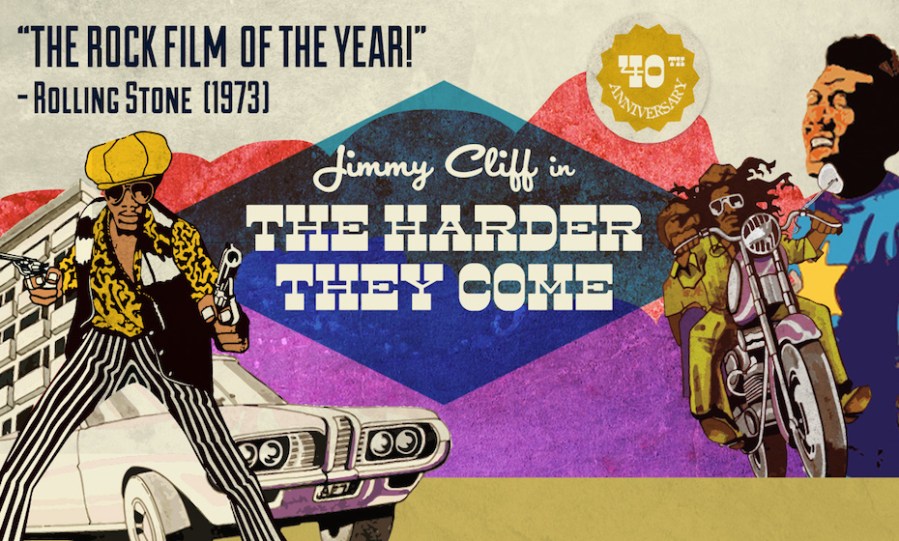
Thirty years after the release of The Harder they Come, the narratives and the images that the movie presented in 1972 remain a central aspect of a broader Jamaican narrative. In the interim, the political scene in Jamaica has experienced volatile and often violent changes.

Large multinational corporations like Sony and MCA have replaced the Mr. Hiltons of the early 1970s, Jamaica has become a bridge for transporting cocaine between South America and the U.S., and “Uzis have replaced hand guns.”

The tourist industry continues to thrive, achieving more and more isolation from the daily lives of most Jamaicans, and Jamaicans continue to migrate to Britain and the U.S. As reggae has spread through the world, like most music of “the black atlantic,” it has undergone tremendous transformations and mixed with rap and other forms of music.

As Maureen Sheridan reports, “reggae today is a true world music. From Siberia to the Seychelle Islands, from Agadir to Tokyo, the talking drum and bass of Jamaica have spread their seductive message, and there are no signs of its movement slowing down.”

Some social theorists and arts intellectuals speculate on the power of popular music style like reggae and rap to trigger social consciousness and radical change.

However, this analysis of The Harder They Come illustrates the precarious balance between music as a revolutionary force and the cooptation of cultural products for “producing, reproducing or destroying the representations that make groups visible for themselves and for others.”

Ultimately, the effectiveness of a cultural product like reggae does not rely in itself as an artistic form, as Herbert Marcuse would argue.

Instead, the subversive potential of the arts lies in the practices and the struggles over meaning around which they are produced and consumed. When new cultures encounter each other and when political processes force different cultural practices, symbols, and values to intersect and interact with each, as in the case of India or Jamaica, interstices
that emerge are the true “location of culture,” defined as an active process of negotiation, redefinition, and re-presentation.

Found in THE LAST “REDEMPTION SONG,” SELLING JAMAICA, from:
Reggae, Ganja, and Black Bodies: Power, Meaning, and the Markings of Postcolonial Jamaica in Perry Henzell s The Harder They Come
by Rubn A. Gaztambide-Fern ndez (2002.), Review of Education, Pedagogy, and Cultural Studies.
Art source: Words in the Bucket.


The Mighty Ginsu ft. The DJ Dont Stop – Souljahs Rebel

Outside of generic riddims and sound trends here comes project exciting with revolutionary  reality and consciousness, so best check out “Time Is the Key” album.

ON PSALMS AND REGGAE

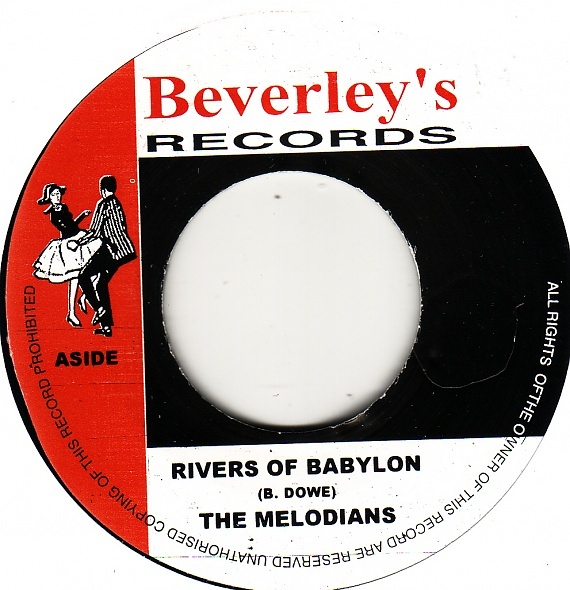
So tuned to the beat of Burru drums, the early Rasta lamentations, comprised of mournful dirges of Christian songs, hymns, and psalms from the Psalter, were social, political, and religious commentary on the unfavorable condition of the black Jamaican masses, and of the Rastafarians in particular. As the movement responded to harassment and persecution from the Jamaican public and the “Babylon police” in the 1950s, these lamentations became increasingly militant with a strong revolution and liberation motif. By the 1960s, Rastas had developed an impressive repertoire of musical lamentations adopted to their peculiar method of black revolutionary protest and call for political, social, and economic change in Jamaica. In 1969, The Melodians, comprising Brent Dowe, Tony Brevette, and Trevor McNaughton, sang Psalm 137 in new Rasta voices under the title “Rivers of Babylon.” The song remained local until “Bonnie Em,” singing under the influence of reggae star Bob Marley and the Wailers, did a Cover Disco Version in 1975, which became an immediate hit internationally.

Found in Why the Hebrew Psalms? from Tuning Hebrew Psalms to Reggae Rhythms: Rastas’ Revolutionary Lamentations for Social Change

Author: NATHANIEL SAMUEL MURRELL.
Source: CrossCurrents, Vol. 50, No. 4, Jewish–Christian Relations (WINTER 2000/2001)

Image source: The Melodians – Rivers of Babylon 7″

ROOMMATE – MIX FOR JAMAICA VOL.4

TRACKLIST:
01 Roommate ft. General Jah Mikey – Sunup To Sundown
02 Roommate ft. Lutan Fyah – Pon Mi Head
03 Roommate – From The Top
04 Roommate ft. Ras Zacharri – I’m Flying
05 OSC & Dubsworth – Moscow Mule
06 Roommate ft. Robert Dallas – Stir It Dub
07 Roommate, Freytakt & Darkwing Dub – Mt. Zion
08 Roommate & Hellfire Machina – Take Heed
09 Roommate – Montego
10 Roommate ft. Ras Zacharri – Chiwalaleng
11 Roommate ft. Green Fields – Respect Dub
12 Roommate ft. King Mas – Stand
13 OSC vs. DJG – One Mile High
14 Roommate – Summer Dub
15 Roommate & High Kulture – Rosia Montana
16 Roommate – Righteousness
17 Roommate ft. Afrikan Simba – Put Yourself Forward
18 OSC – Hit The Spot
19 Roommate – Judgement Fire
20 Roommate ft. Chezidek – The Place
21 Roommate – Early Dub
22 Roommate Respect Life
23 Roommate, Ras Lion, Darkwing Dub – Blow Away The Wicked
24 Roommate ft. Big Youth – Dub Siren
25 Roommate & Ras Lion – Whole Heart
26 Smilodon – Ivans Sound (Roommate Remix)
27 Babylon System – Dancin’ Shoes
28 OSC – Fallen Angel
29 OSC Zions Gate
30 OSC Fuss n’ Fight
31 Roommate – Heat Wave
32 Roommate – Breaking Babylon
33 Roommate & Illoom ft. Kali Green – Rub Dub Dubbing
34 Roommate ft. Sizzla – Only Jah Knows (Subtle Mind Remix)
35 Roommate – Massive Respect
36 OSC – Evolution
37 Roommate ft. Brother Culture – Living Fire
38 Sizzla – Champion Sound (Roommate Remix)
39 Roommate – Runaway Bay
40 Roommate & Darkwing Dub – Youthman
41 Roommate – Lava
42 Roommate – Yard Times
43 Jovi Rockwell – Mash Me Up (Roommate Remix)
44 Roommate & Ras Lion ft. Kali Green – Wicked Babylon
45 Rocker T – Tru Ganjaman (Roommate Remix)
46 Roommate – Don Don
47 Roommate – Piña Colada
48 Roommate – Acapulco
49 Roommate & Darkwing Dub – Vintage Vibes
50 Roommate, Ras Lion & Darkwing Dub – Anything is Anything

ON BABYLON AS ANANCY REGIMES

Rastafarians apply the theory of Babylon to Jamaican society as well as to the rest of the world. In Jamaica Babylon encompasses the concerted efforts of various agencies representing the power structure, those who have a stronghold on available resources. One of the most important characteristics of this group is that it excessively emulates Western culture. The culture of the oppressed, consequently, is relegated to a second-class status. Western culture is seen as the measuring rod to demarcate that which is superior. Babylon in this sense entails “part of a world view and cultural perceptions” which degrades anything African. Transcending such perceptions, the Rastafari idealize Africa.
The Rastafarian critique of Babylon transcends Jamaican society and includes denouncing capitalistic systems as well as certain communistic regimes.
Rastafarians refer to these systems as “anancy regimes”, oppressive systems based on shrewdness. International Babylon is represented by the industrialized nations of the world, spearheaded by the United States, as well as key religious institutions such as the Vatican. According to the Rastafari, international Babylon has a long history with a succession of oppressive eras. They note that oppressive regimes such as those of the Persians, Greeks, Romans, British, and Americans have dominated world history. From the Rastafarian perspective, all of these regimes were inspired by the activities of “Nebuchadnezzar, the infamous king of the Biblical Babylon“. It is within this
overall historical context that the Rastafarians explain their experience and ultimate mission, the overcoming of the oppression of Blacks and humanity at large.

From:

Social Movement Endurance: Collective Identity and the Rastafari 

by  Alem Seghed Kebede, Thomas E. Shriver, J. David Knottnerus.

in  Sociological Inquiry, Vol. 70, No. 3, Summer 2000, 313-37

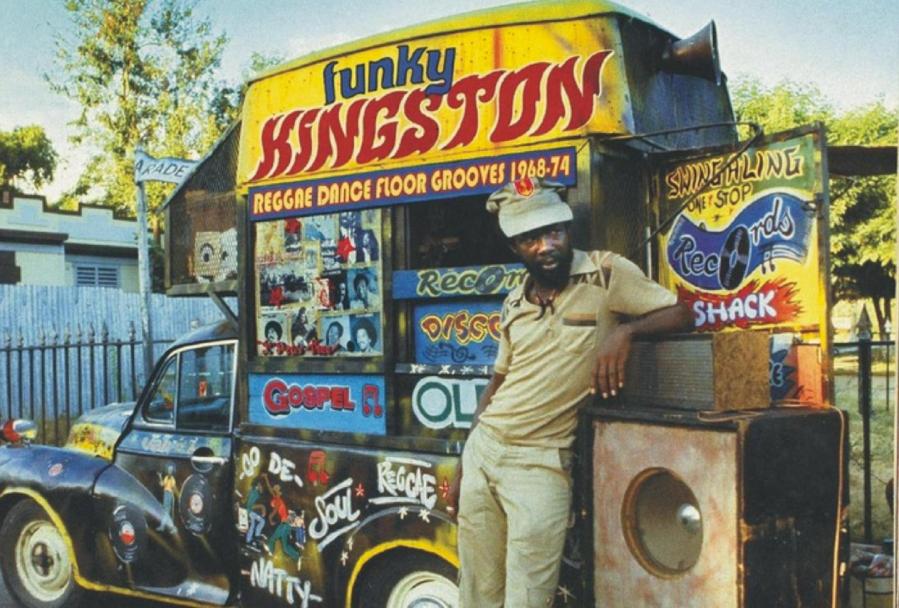
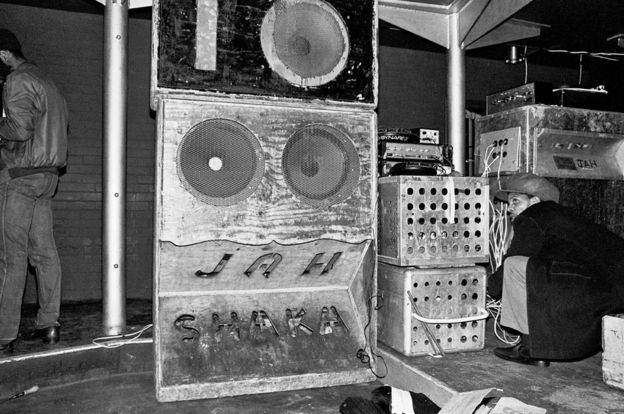
From Kingston to Camden: Britain’s long lasting affinity for Sound system culture.

hannahlisaaa's avatarhannahlisa.

Since the birth of subcultures, music has played as much of a role in defining them as the clothes and views people have chosen have. Musical influence was diverse and widespread, sounds from Jamaica and the Caribbean fuelled the all night ska and reggae dances of the 1980’s whilst British bands such as The Beatles opened up the hearts and minds of the tie dye, trippy happy hippies of the 1960’s.

Before sound systems or even electricity had been invented, music has been utilised to bring people together, to celebrate and to convey messages. Before subcultures even existed, music played a key role in society and was enjoyed by both the rich and poor.

Whilst the era of rock n roll was causing girls to faint and guys to invest in Brylcream, thousands of miles away in the ghettos of Kingston, Sound system culture was starting to cause vibrations. At the…

View original post 1,209 more words

MSDT 012 JAH BILLAH FT IYANO IYANTI – MAKE IT RIGHT – SEED ORGANIZATION RMX

FORTHCOMING MSDT 012!
RELEASE DATE: 8 October, 2014
TRACKLIST:
01 Make It Right (Seed Organization remix) 04:34
02 Make It Right (Seed Organization dub)04:34

Seed Organization returns with a scorchingly heavy pair of remixes of Jah Billah &
Iyano Iyanti’s Make It Right. Both the full vocal and dubwise remixes are included and
both were mastered at Green House Mastering.
About the Artist
Montreal-based producer Seed Organization has been at it for well well over a
decade. Growing up in a city known as one of the world’s coldest, he was drawn to
the warm sound of Dub and now shares his version of bass to the world.
SEED ORGANIZATION
seedorganization.ca

WHAT HAPPENED WHEN HAILE SELASSIE WENT TO JAMAICA?

What happened when Haile Selassie went to Jamaica?

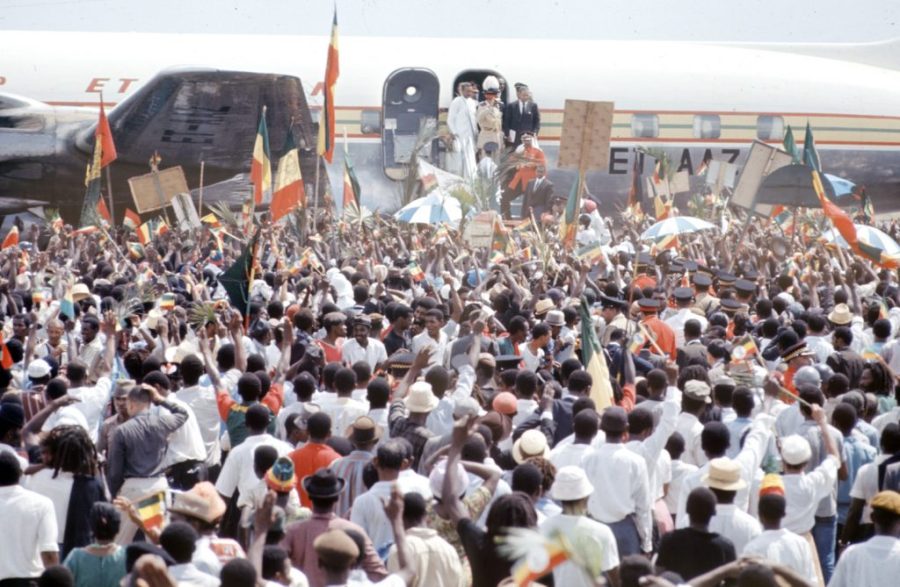
On April 21, 1966, Haile Selassie visited Jamaica. Remember, this was 36-years after his coronation and the enthusiasm of Rasta was undimmed. There was now a new generation of Rastas, many of whom still harboured the vision of an exodus. But by now, many had built an Rastafarian worldview: Babylon was how they described the white-dominated post-colonial system, which directed its efforts to controlling black people and keeping them in a condition Rastas described as “mental slavery,” meaning they were still subservient to whites and accepted their own inferiority. Haile Selassie was overwhelmed by the rapturous reception and clearly liked the lavish praise and worshipful admiration of Rastas.
He did nothing to dispel beliefs in his divine status. By this time, Garvey had died and his criticism of Haile Selassie forgotten. The Emperor himself had been ousted in 1936 after Italy invaded Ethiopia, or Abyssinia, as it was then known. He lived in exile; this, in fact, was one of the principal reasons Garvey attacked him – for leaving his own countrymen at the mercy of Italy. Haile Selassie reinstituted his powers as emperor in 1941, with support from Britain.

We don’t know for sure, but it’s likely that when Haile Selassie visited, a 21-year-old Jamaican who had, the year, before formed a trio called the Wailers, was among the rapturous thousands honouring their redeemer. His name was Robert Nesta Marley.

From HAILE SELASSIE — RASTAFARIAN MESSIAH by Ellis Cashmore.

DR. MELANIE DREHER ON GANJA BABIES

“After nearly two years of study in Jamaica, I’d found ganja was used to stimulate work.”
Dr. Melanie Dreher, reefer researcher

JA FLAG