On Lalibela pipe and coffee

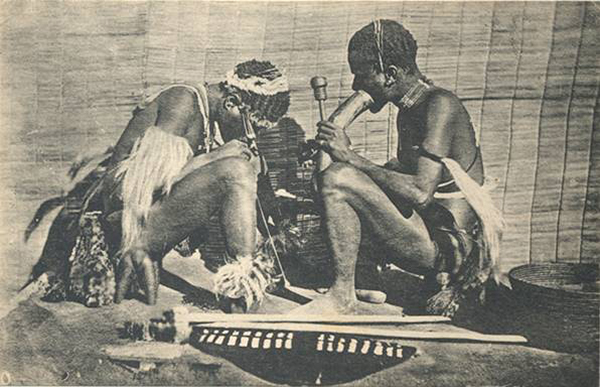
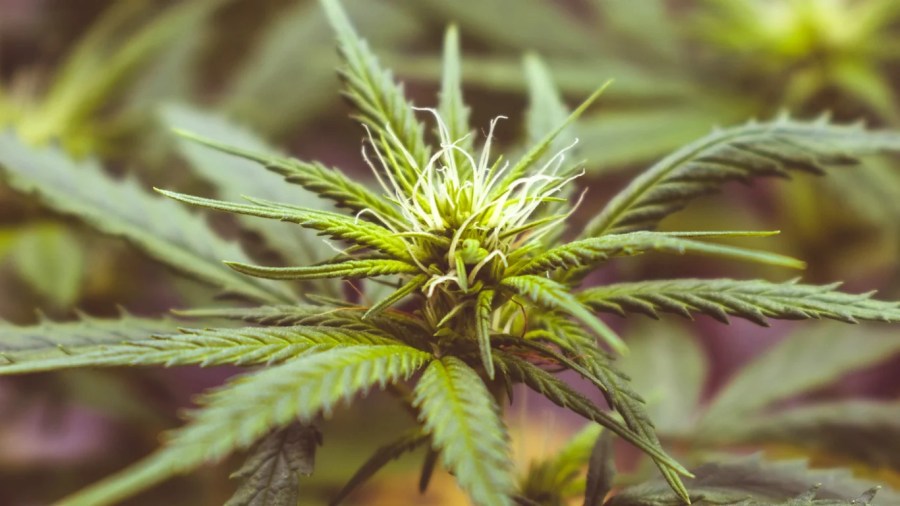
Two of the pipes from Lalibela cave were subsequently tested for cannabis residue on the inside of the bowls. These tests showed conclusively that the two pipes in question were definitely used for the smoking of cannabis. This, together with the fact that no evidence of elbow-bend pipes was found, has been taken as evidence that cannabis was smoked in water pipes in thirteenth-or fourteenth-century Ethiopia. However, caution must be exercised in drawing this conclusion. There was no direct correlation between the pipes and any dates. Rather there was a general correlation between the pipes and the dates, since both were from the same levels. The sites were rather disturbed, and there was evidence that levels may have been contaminated by the extensive digging of pits. In addition, the culture of level II in both sites was similar to that of the people of the area today. Dombrowski postulated only that the excavation showed that Semitic-speaking Ethiopians had reached the Lake Tana area by c. I I00.

There is thus no compelling reason to assume that the pipes in question were deposited before the arrival of tobacco, although that is the most likely hypothesis, and it is known that these pipes were used for smoking something other than tobacco. Our best guess would be that these pipes were used before the introduction of tobacco from the New World, but this is far from proven. Perhaps advances in radiocarbon technology will allow us to obtain reliable dates from the residue in the pipes which would settle the issue of their dates. In the meantime Ethiopia, rather than Persia or southern Africa, has become the most likely place of origin of the water pipe, which may have spread during medieval times on routes similar to those used by coffee, another Ethiopian innovation.

From: ARCHAEOLOGICAL DATA, found in:

African Smoking and Pipes

Author: John Edward Philips

Source: The Journal of African History, Vol. 24, No. 3 (1983)

Image source: Cannabis and Tobacco in Precolonial and Colonial Africa 

On sexism in Rasta

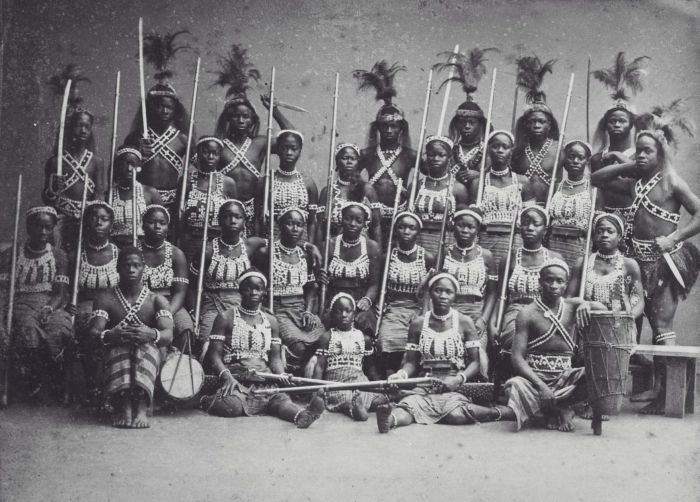
There are some serious ideological problems in Rasta women confronting the sexism within society and within Rasta itself. Any criticism regarding the status of Rasta women within the movement has been discarded as a white construction of reality unsuitable to Black cultures and any mention of gender liberation berated as western, feminist ideology. While a feminist ideology may not provide all the ingredients for a holistic African liberation, for too long has there been little real strategic change for women in Rastafari. In the same way Black men, in negotiating their freedom, have rejected the patronising efforts of white liberals in favour of an innate desire to chart their own liberation, so too must women design their own path to empowerment. The fundamental hurdle to the solution is that racial oppression is more readily understood and addressed than gender oppression.

Black women’s liberation is already stilted by the time they realise that their oppression is tied to their relations with their own brethren. In my experience, Black men support women’s protests as long as they are aimed at the white middle classes. However, when the subject of gender oppression is revealed and the Black man himself is implicated in this oppression, their tones become hushed.

Found in: The movement of Jah people!

from

Great Black Warrior Queens: An examination of the gender currents within Rastafari thought and the adoption of a feminist agenda in the Rasta women’s movement

by LISA-ANNE JULIEN (2003) Agenda.

Image source: Meet the Most Feared Women in History

On Haile Selassie as God and King

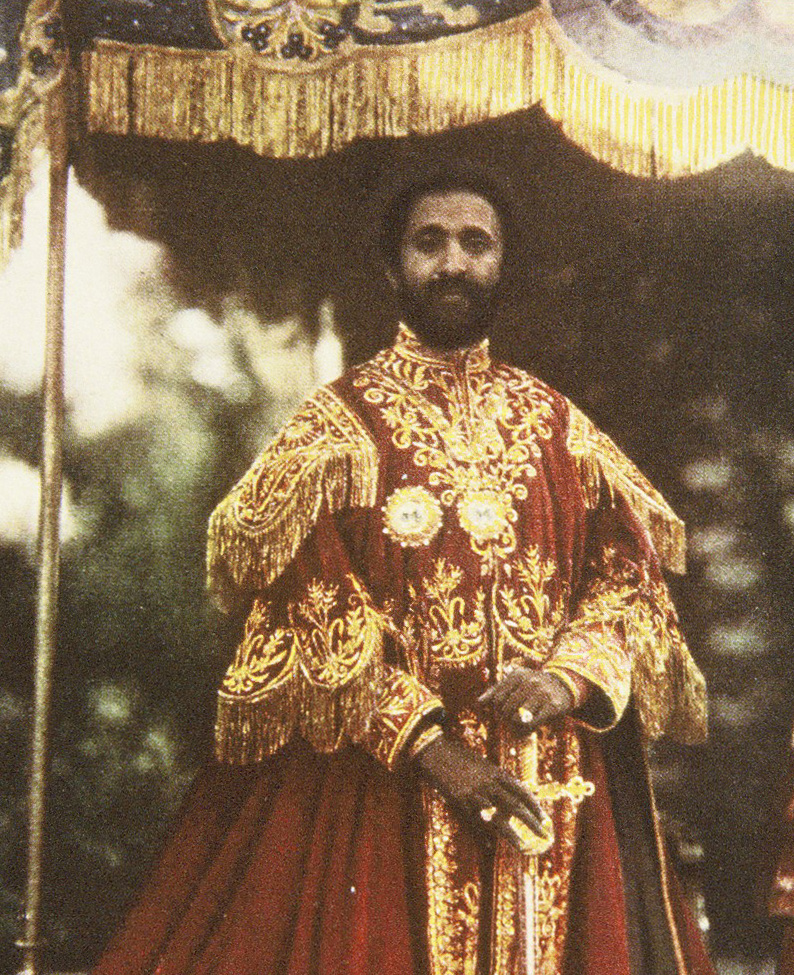
“I know that the Jamaicans are here because of our king,” Daniel Wogu, an eighteen-year-old student and Shashemene inhabitant working toward acceptance in a medical program, told me. “They believe that he is sent from God to save them or make the black people free from slavery. They have their own history,” he continued. “As I have learned
from Ethiopian history, they say that our king went to their country to visit and there were some unexpected happenings. There was rainfall or something. They say then that this proves that Haile Selassie is not actually a man, but is God.”

Henock Mahari, an Ethiopian reggae musician born and raised in Addis Ababa, the city where he still lives and works, said something similar: “He was once in Jamaica and it hadn’t rained, and then it did rain. They accepted him as a God because of this miracle. They see him as a messiah and call Ethiopia their Promised Land and leave their home to come here and finish their life here.”

In a general discussion with my hundred-strong English language class at the Afrika Beza College, a female student told me that “Jamaican people live in Shashemene and they like Ethiopian people very much because Haile Selassie went to their town and at that time there is no rain. When Haile Selassie got there, there was rain. So, after that day, Jamaican people like Ethiopia very much.”

Shemelis Safa, a high school teacher in the town, had a similar explanation for why Rastafari move to Shashemene:
As I know, Haile Selassie went to Jamaica. It was very dry and they needed rain. Unfortunately, when this king arrived in Jamaica, the rain came. There started a superstition, a belief—“oh this is a good person,” they said. Their famous singer Bob Marley and other leaders told the people that the King is a very nice king and Ethiopia is very nice, so they associate the king with their religion. . . . Haile Selassie is from the Solomonic dynasty and they consider Haile Selassie God, so they respect him more than the people in Ethiopia.
We Ethiopians saw Haile Selassie as a king—a man who made many mistakes and did some good things.

Found in The Miracle Story, from Chapter:
Christianity and the King, Marriage and Marijuana.
Book Title: Visions of Zion: Ethiopians and Rastafari in the Search for the Promised Land
by Erin C. MacLeod. NYU Press. (2014)
Image source: African Kings and Queens and world Kings and Queens in forum Deshret at EgyptSearch Forums.

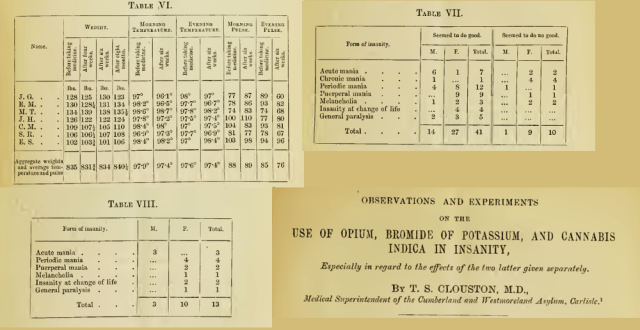
8 tables on neurotic medicines

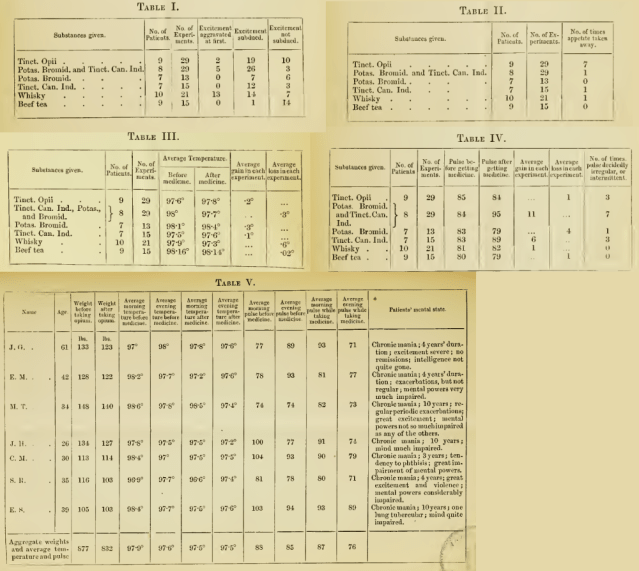
Tables from THE ACTION OF NEUROTIC MEDICINES measuring effects of opium, cannabis, potassium bromide, whiskey, and a ting called Beef tea. From year 1870.
table1table2

On eating with Christ

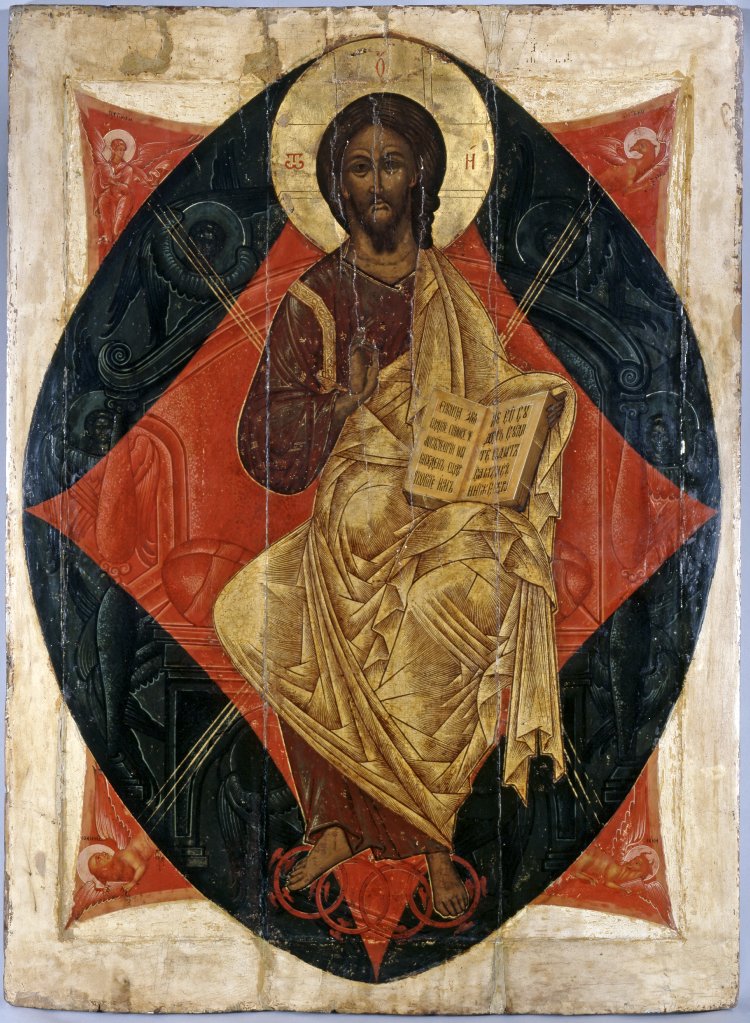
On Friday, March 16, 1934, Leonard Howell and Robert Hinds, founding evangelists of the Rastafari gospel, were in the fourth day of their trial for sedition in a Jamaican court. They were on trial because they promoted a message that threatened Jamaica’s colonial status quo: Black Jamaicans should transfer their loyalty from Britain’s King George V to King Ras Tafari of Ethiopia. They preached that King Ras Tafari was Christ returned to redeem Black people and to inaugurate a new and just order.

Jamaica’s national newspaper, the Daily Gleaner, which covered the trial, reported that “Howell said that it was prophesied that in the days of the kings of the earth, Jehovah would raise up a king with a righteous government . . . that Christ would return to earth as the Messiah, in the flesh; and that they would be able to see Him, and touch Him,
and eat with HIM.”

Found in:
The Cultural Production of a Black Messiah: Ethiopianism and the Rastafari
by Charles Price, from:
Journal of Africana Religions, Volume 2, Number 3, 2014, pp. 418-433

Art source: Christ ‘Pantocrator’

The Trustees of the British Museum, Museum number 1998,0605.34.

Six conclusions on Science of magic

Based on thousands of psi experiments published over the last century by researchers around the world, many properties of psychic phenomena have been discovered.

In order of scientific confidence, meaning the degree to which the evidence has been successfully and independently repeated, six conclusions may be drawn:
1. We have the capacity to gain information unbound by the everyday limitations of space or time, and without the use of the ordinary senses. In the vernacular, psi is a genuine “sixth sense.” Based on the available scientific evidence, this is a virtual certainty.
2. Psi capacities are widely distributed among the general population. Extreme levels of psi talent are rare, but laboratory tests indicate that most people have some discernible ability, whether they’re aware of it or not.
3. These effects arise from the unconscious. Psi abilities can be observed during conscious awareness, but more reliable effects can be detected below the level of awareness via physiological measurements and other techniques used to study “implicit” and unconscious responses.
4. Psi effects are stronger during non-ordinary states of consciousness, such as during meditation, while dreaming, or while under the influence of psychedelic compounds.
5. We have the capacity to mentally influence the physical world, probably not through application of the four known physical forces, but perhaps through as yet unidentified principles that either affect the probabilities of events or “warp” the fabric of space-time.
6. We can gain information from sources purported to be nonphysical entities.

Found in: Chapter 8 TOWARD A SCIENCE OF MAGIC, from:
REAL MAGIC Ancient wisdom, Modern science and A Guide to the Secret power of the Universe,  by Dean Radin (2018)

Art source: Merlin`s Magic by Josephine Wall

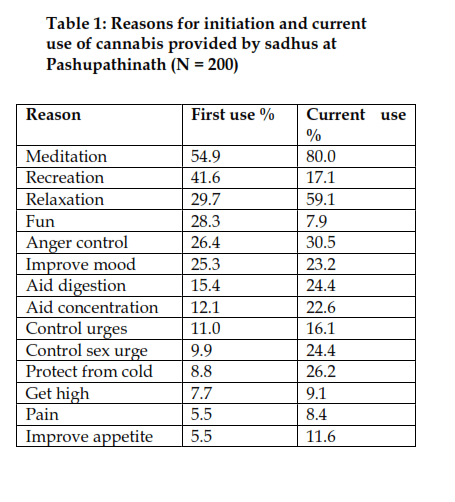
Sadhu reasoning on cannabis use

sadhus.png

Found in: Cannabis, Lord Shiva and Holy Men: Cannabis Use Among Sadhus in Nepal

by Acharya SL, Howard J, Pant SB, Mahatma SS, Copeland J

(J Psychiatric Association of Nepal Vol .3, No.2, 2014 )
Photo source: Skanda Gautam/ THT

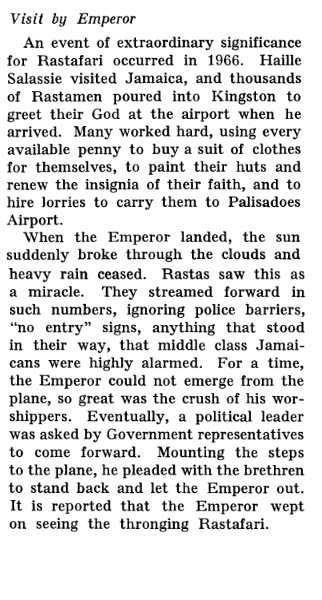
Emperor wept

rasta

Found in chapter Visit by Emperor, from:
Protest and Mysticisim: The Rastafari Cult of Jamaica
Author: Sheila Kitzinger
Source: Journal for the Scientific Study of Religion, Vol. 8, No. 2 (Autumn, 1969)

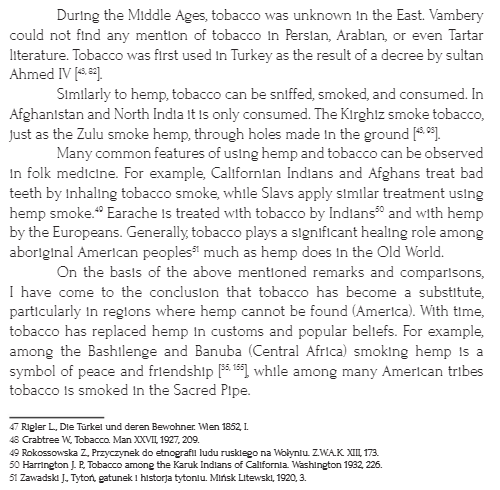
Sara Benetova on tobacco and hemp

tobbacco.png

Found in Sara Benetova: Hemp in beliefs and folk traditions

Sacred Buddha Cannabis Medicine

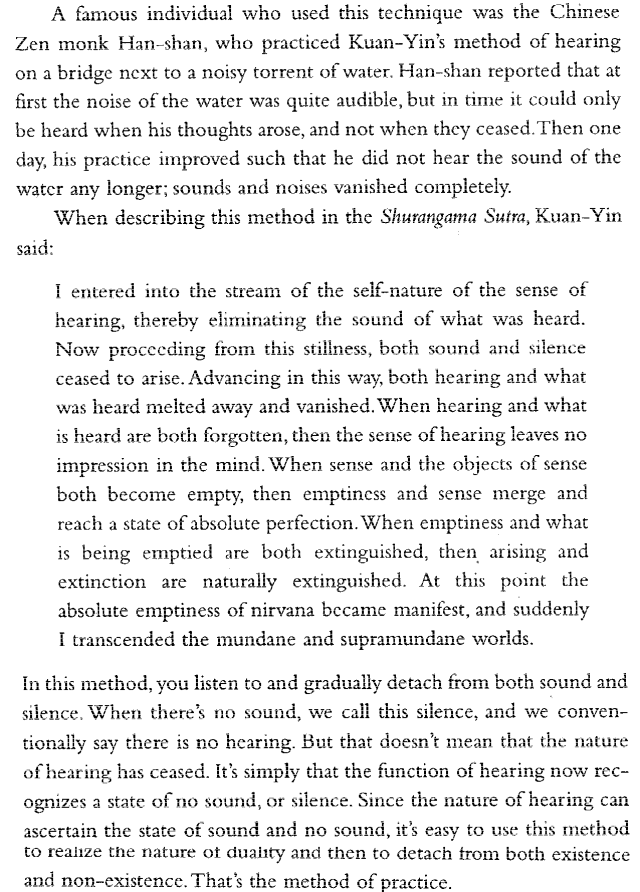
On Kuan Yin’s Method Of Listening To Sound

kuanyin.pngFound in:

Twenty-Five Doors to Meditation: A Handbook for Entering Samadhi by William Bodri  and Lee Shu-Mei (1998)

Ivan Vuković Magellano – Weed Code

Magellano taking on an original twist for the infamous 4/20 occasion,  on how to STOP smoking weed and start RESPECTING the herb.  Croatian language.